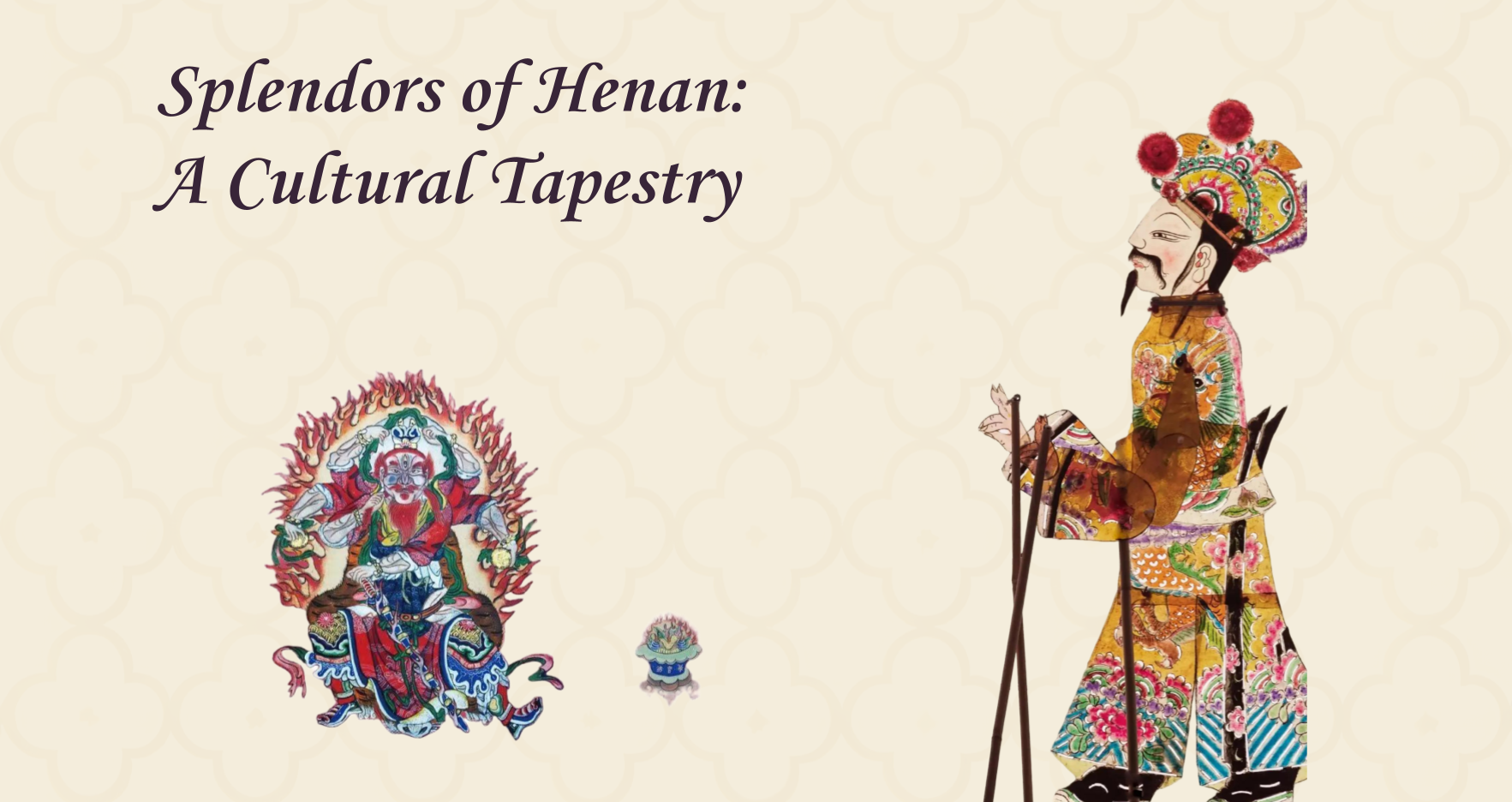
"The Splendours of Henan" — Intangible Cultural Heritage Exhibition for the Year of the Horse
Introduction
“The Splendours of Henan” — the 2026 Henan Intangible Cultural Heritage Exhibition in the UK — is hosted by the UK Henan Chinese Association, UK Henan Federation of Culture & Business Association and the Henan University Alumni Association of UK. Running from 17 February (Chinese New Year’s Day) to 14 March 2026 in London, the exhibition’s opening reception and Year of the Horse Spring Festival celebration will take place on 21 February 2026 at 2:00 pm at the Firepit Art Gallery in Greenwich.
The exhibition aims to open a window for the Chinese diaspora and the wider public to explore the depth of Chinese culture, to bring Henan’s intangible cultural heritage and traditional craftsmanship from Chinese Central Plains to the world stage, and to strengthen cultural and commercial ties between China and the UK. Visitors will discover a curated selection of representative Henan intangible heritage skills and handicraft works that together reveal the rich legacy and distinctive character of Henan culture.
The Year of the Horse Spring Festival is celebrated by Chinese communities around the globe, and this event is designed both to bring a warm sense of home to overseas Chinese and to give British and international audiences a chance to experience the essence of Chinese culture. The opening reception will combine cultural displays, festive activities, and fine food and drink for a truly immersive experience.
We warmly invite you to join this cultural celebration. Places are limited — please click here to register. We look forward to welcoming you and sharing the beauty of Henan’s intangible cultural heritage!
Organisers:
- UK Henan Chinese Association, UK Henan Federation of Culture & Business Association
- Henan University Alumni Association of UK
Co-organisers:
- Knight Dragon
- Henan Tanggong Cultural & Creative Technology Group Co., Ltd.
- Henan Normal University Alumni Association of UK
Undertaken by:
- TalenTechs
- Firepit Art Gallery & Studio
- Cambridge Heritage International
Media Partners:
- Elephant International Communication Centre
Venue & Schedule
Exhibition Dates: 17 February – 14 March 2026, Tuesday, Wednesday, Friday & Saturday 11:00–17:00, Thursday 11:00–19:00
Reception Time: 21 February 2026, from 2:00 pm
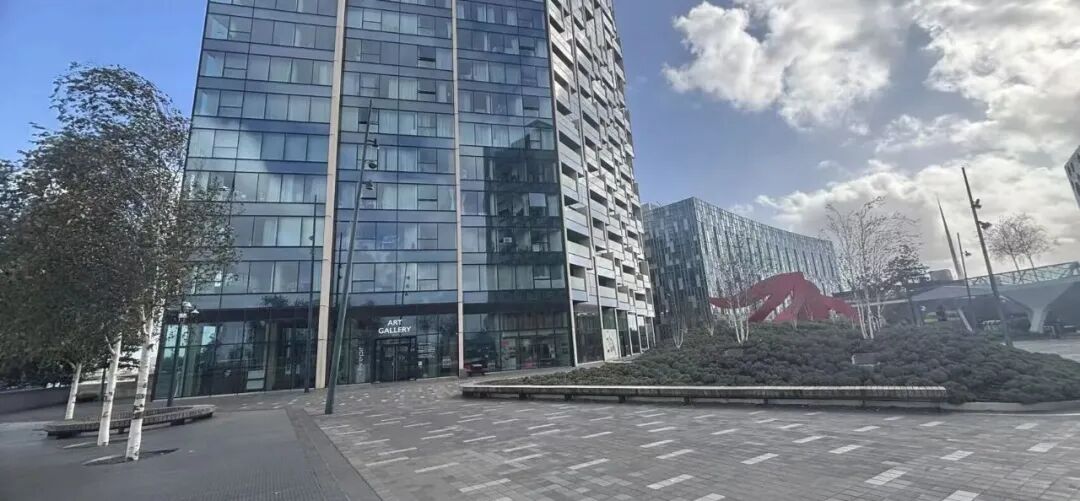
Venue: Firepit Art Gallery & Studio, 10 Cutter Ln, London SE10 0XX
Admission: Free
About the Exhibition
Central Plains culture — rooted in what is now Henan province — is widely regarded as the cradle of Chinese civilisation and remains a vital source and core strand of Chinese culture to this day. With so rich a heritage, there is both an opportunity and a responsibility to share it with the world and to help international audiences appreciate its enduring relevance.Bringing Henan’s intangible cultural heritage to the UK marks an important step in East–West cultural exchange, while also opening the door to collaboration in the creative and cultural industries. The exhibition showcases a wide range of Henan traditions: Anyang (Hua County) woodblock New Year prints, Xinyang Luoshan shadow puppetry, Pingdingshan’s Ru ware, Jun ware, Hua porcelain and Pucheng ancient pottery, Nanyang pyrography chopsticks, Zhilantang Ru-glazed drop brooches, as well as intangible heritage exhibits from the Anyang Museum, Tanggong cultural creations, and creative products from Henan University and Zhengzhou University — inviting visitors to experience the splendour of Henan’s living heritage in London this Spring Festival.
Selected Exhibits
Pingdingshan: Ru Ware, Jun Ware, Hua Porcelain & Pucheng Ancient Pottery
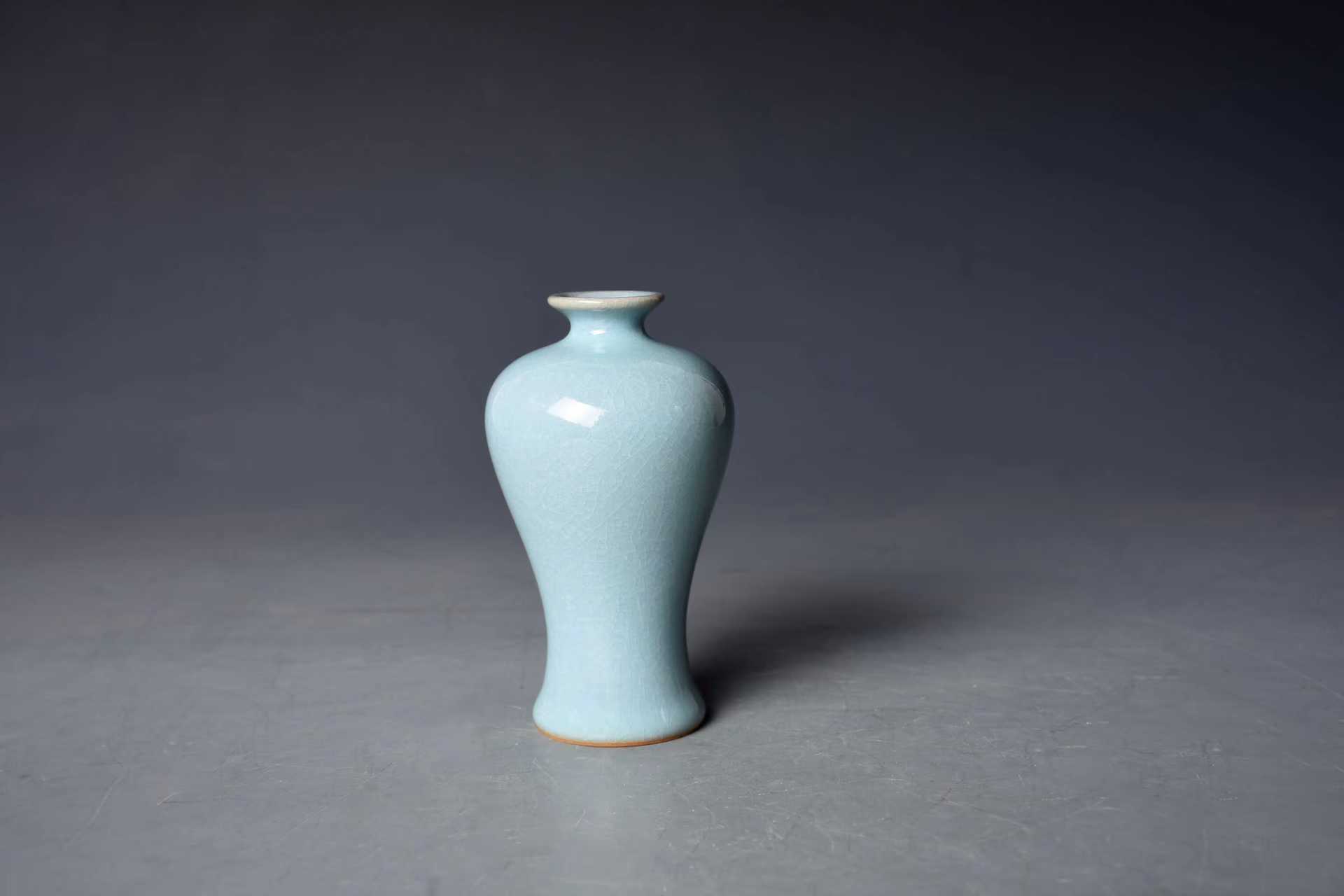
Hongbao Ru Ware is defined by the iconic sky-blue glaze that has made Ru porcelain famous — refined, restrained, warm and understated, with subtle tonal gradations across a delicately smooth surface. Its creative philosophy draws on the literati vessel tradition, using clean, minimal forms to evoke Eastern aesthetics of negative space and everyday tea culture, balancing function and contemplation with quiet sophistication.
Ren’s Porcelain celebrates the core allure of Jun ware — “kiln transmutation by heaven’s design” — in which glazes flow and diffuse naturally during high-temperature firing, producing one-of-a-kind layered variations that can never be replicated. The style is at once weighty and splendid: it preserves the ceremonial quality and cultural symbolism of traditional vessels while embracing “the beauty of the usable” in a contemporary context, bringing the ancient kiln fire closer to everyday life.
Yaoshen Hua Porcelain is distinguished by its Tang-dynasty spirit and striking glaze expressiveness, with intermingling blacks and blues that flow into natural patterns — embodying the aesthetic of “one colour entering the kiln, ten thousand colours emerging”. The approach balances historical restoration with contemporary innovation: preserving the DNA of traditional craftsmanship while completing its expression through modern forms and contexts, yielding works that are at once bold and unrestrained yet refined and ornate.
Pucheng Ancient Pottery speaks through its clay body and handmade texture — rustic, steadfast, weighty and reserved, emphasising the authentic tactile quality and sense of deep time created by earth and fire. Drawing on traditional Chinese aesthetics and auspicious symbolism, these pieces strike a balance between the dignity of form and the restraint of line, resulting in an Eastern vessel style equally suited to daily use and display.
Zhilantang: Ru-Glazed Drop Brooches
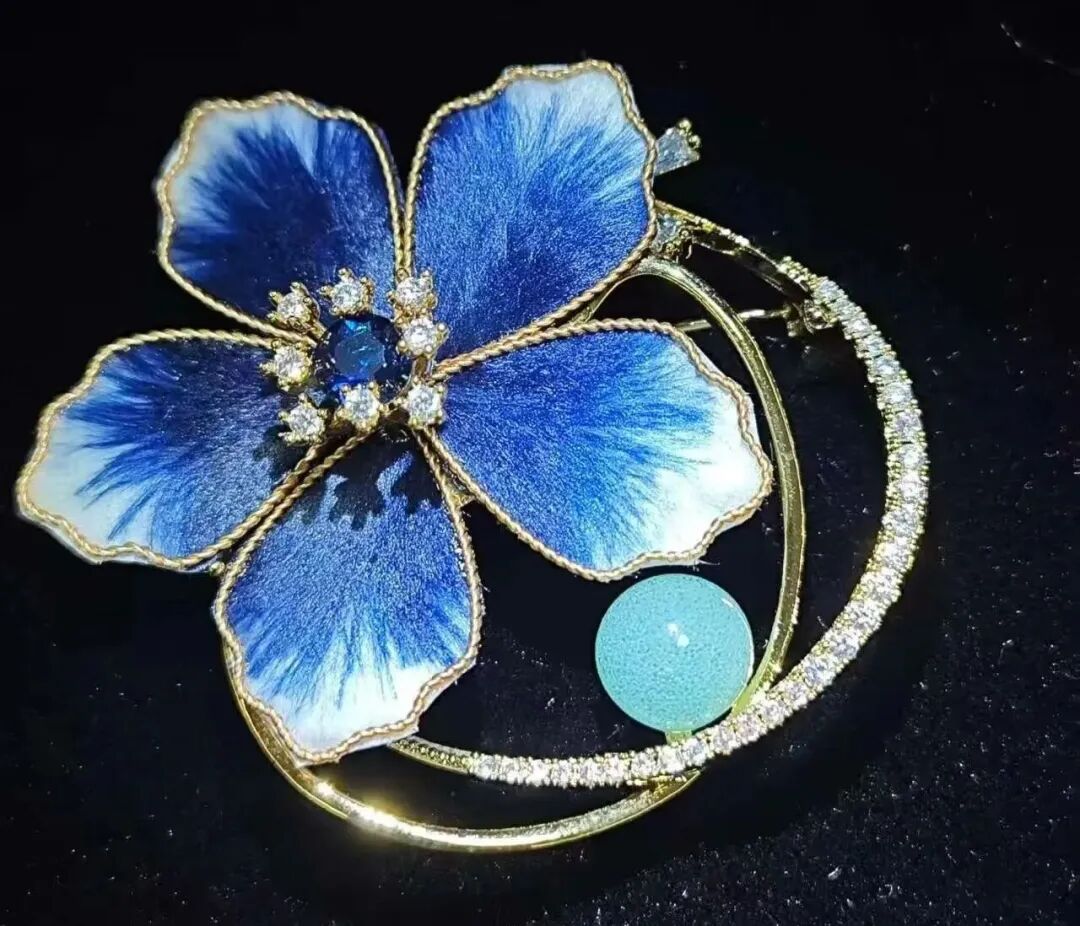
Zhilantang is devoted to preserving and reinterpreting Ru porcelain art. Taking treasured Northern Song official-kiln Ru shards and museum collections as references, the studio systematically reproduces classic Song-dynasty forms while weaving in restoration philosophies such as kintsugi, lacquer art and gold-and-silver mounting. The result is work that carries a distinctly contemporary character without losing the serene aesthetic of the Song dynasty.
Anyang Hua County: Woodblock New Year Prints
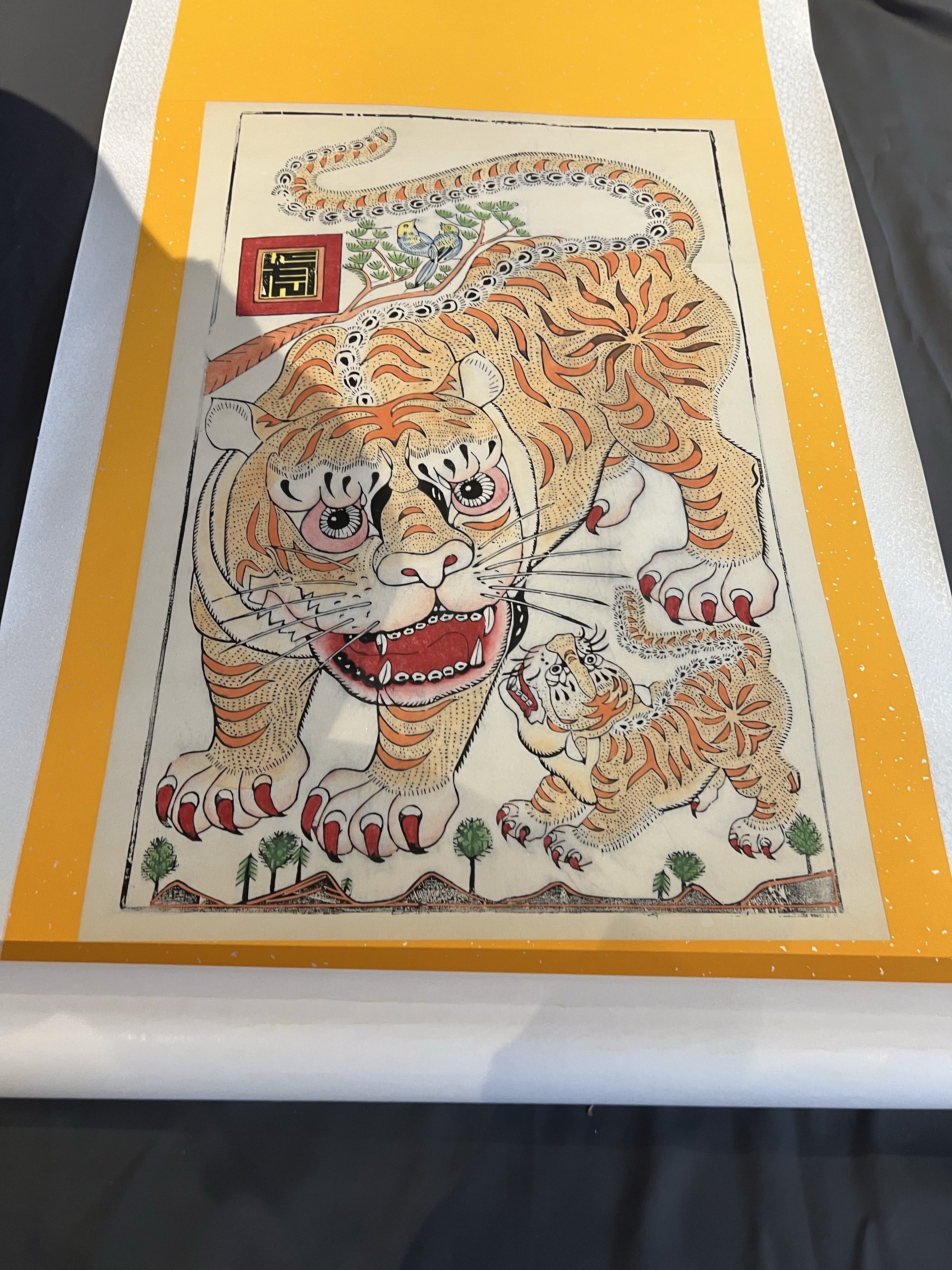
Anyang Hua County woodblock New Year printings are a celebrated folk printmaking tradition from Hua County, Anyang City, Henan Province. Born on the northern Henan plain along the ancient course of the Yellow River, the craft grew out of the custom of “welcoming the new and receiving blessings” and has been passed down through more than five hundred years and multiple generations of artisans. It was inscribed on the national list of representative intangible cultural heritage in 2008.
The prints are produced by carving and overprinting woodblocks, typically cut from pear or wild pear wood. The process moves through plate-making, carving, rubbing, and colouring in multiple stages.
Common subjects include historical tales, legends, auspicious motifs, deity images and ancestral figures — all closely tied to rural folk beliefs. Over time the tradition has expanded beyond New Year prints to encompass genealogical charts, central-hall scrolls, couplets and other forms. Artistically, the compositions are well balanced, the figures boldly stylised yet full-bodied, the lines vigorous, and the colours vivid — together capturing the rustic, spirited character of Yellow River basin folk art.
Xinyang Luoshan: Shadow Puppetry
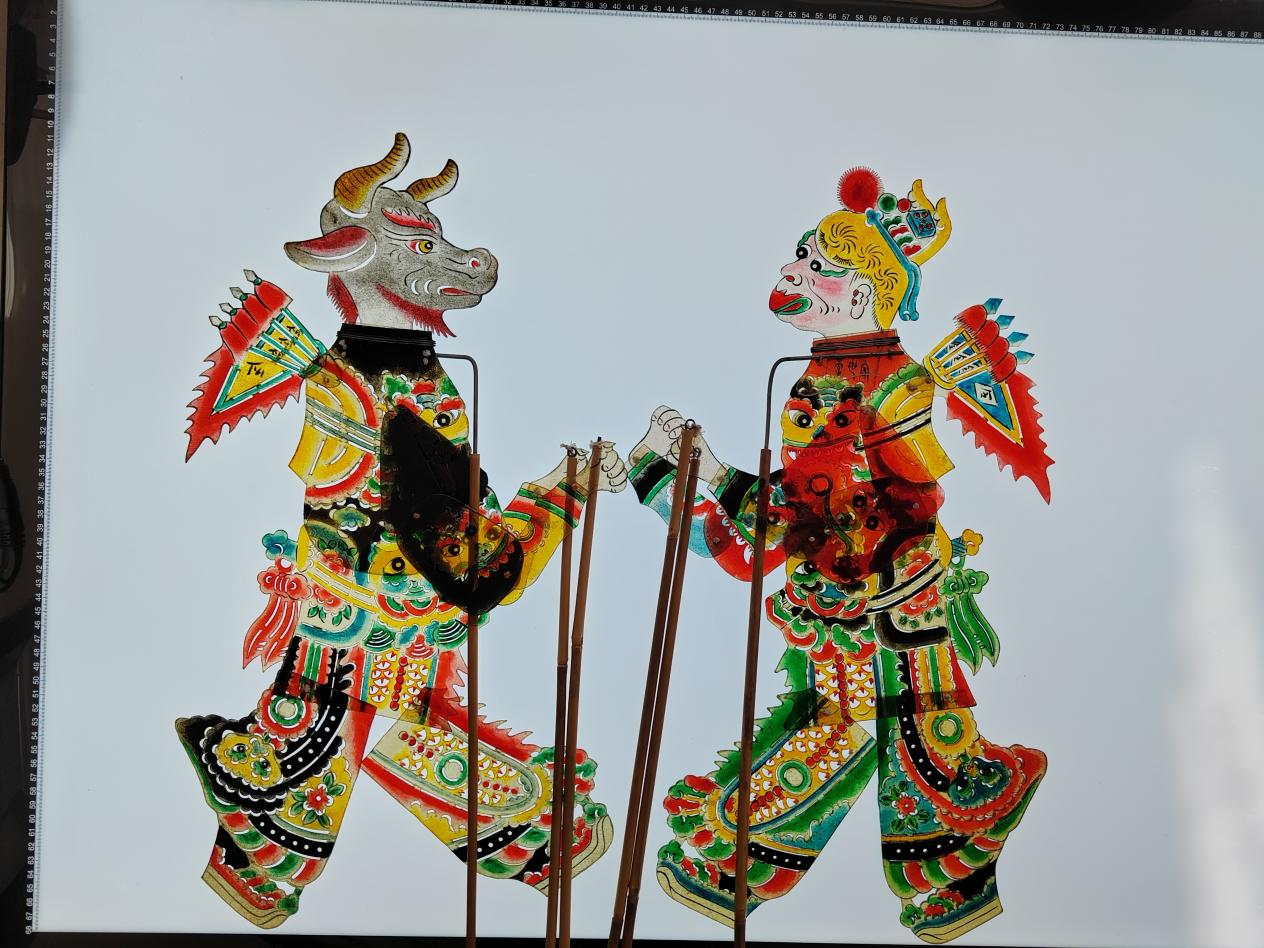
Luoshan shadow puppetry originated during the Jingyou era of the Song dynasty and flourished in the Jiajing period of the Ming dynasty. In its early days it drew on Central Plains local opera and was colloquially known as “silk strings”. By the late Qing and early Republican period it had evolved to include vocal accompaniment with gongs, drums and suona horns. The singing style carries elements of Jianghuai regional folk music: male and female roles shift effortlessly between natural and falsetto voices, while painted-face roles are soaring, bright and melodious. Comic roles stand out for their witty, humorous lyrics and improvised “live dialogue” — a hallmark of Jianghuai folk oral tradition.
The repertoire includes over 460 traditional “flower plays” and more than 120 narrative plays handed down through generations, of which over 230 are still regularly performed. Most draw their material from classical literary masterworks such as Investiture of the Gods, Chronicles of the Seven States, Tales of the Tang Dynasty, The Generals of the Yang Family, The Story of Yue Fei, and The Three Heroes and Five Gallants.
The puppets themselves are crafted primarily from water buffalo hide, shaped through a combination of carving, engraving and painting. Proportions are carefully balanced and the figures are grand in bearing. Each character’s beauty or ugliness, virtue or vice, loyalty or treachery, wisdom or folly is conveyed through its facial features, with stylised face designs playing a particularly prominent role.