Heritage Stories

Every piece of intangible cultural heritage carries the wisdom and effort of our ancestors. Here, we document and share these precious cultural stories.

Anyang Woodblock New Year Prints
Craftsmanship

Anyang Woodblock New Year Prints

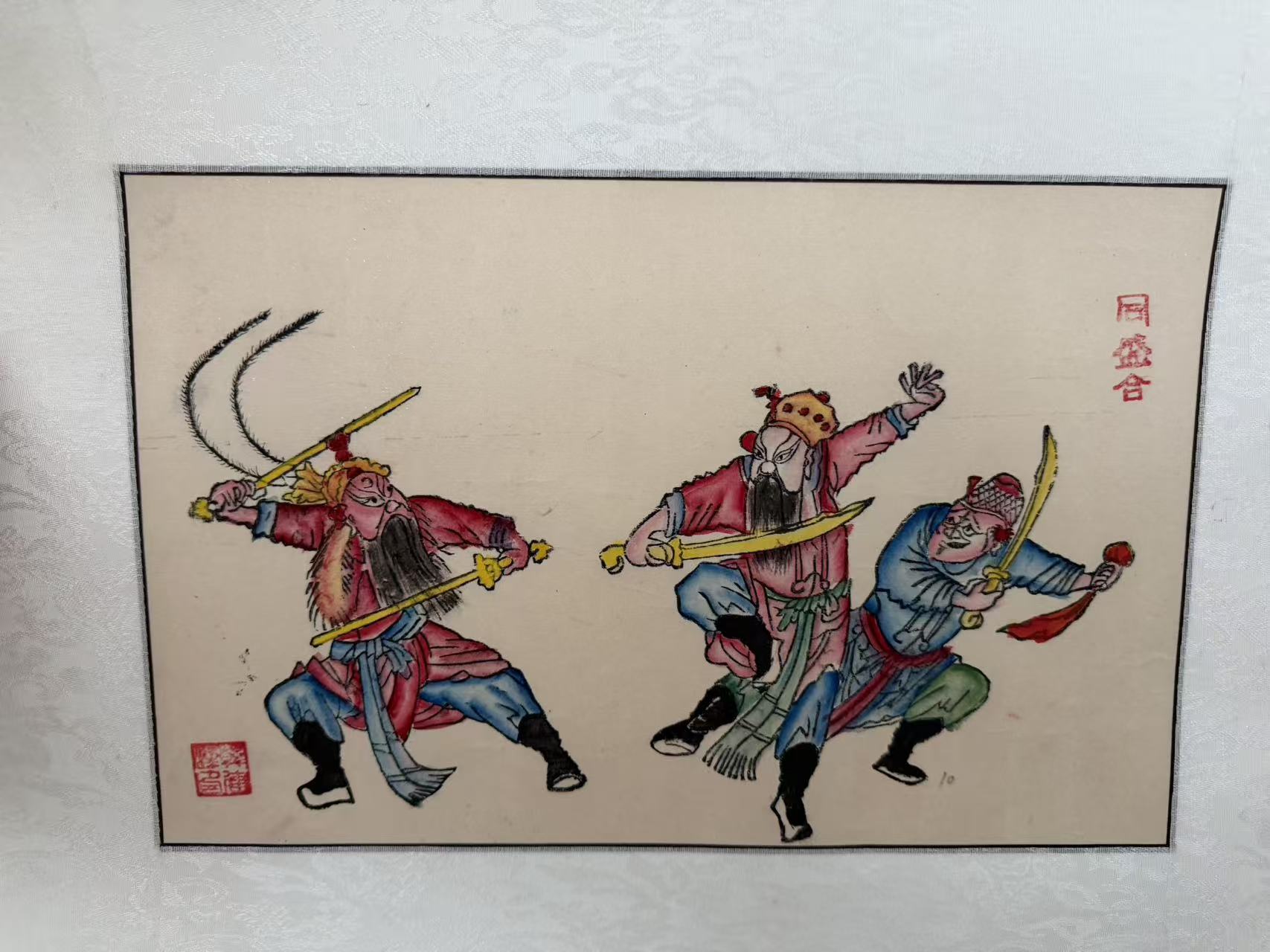
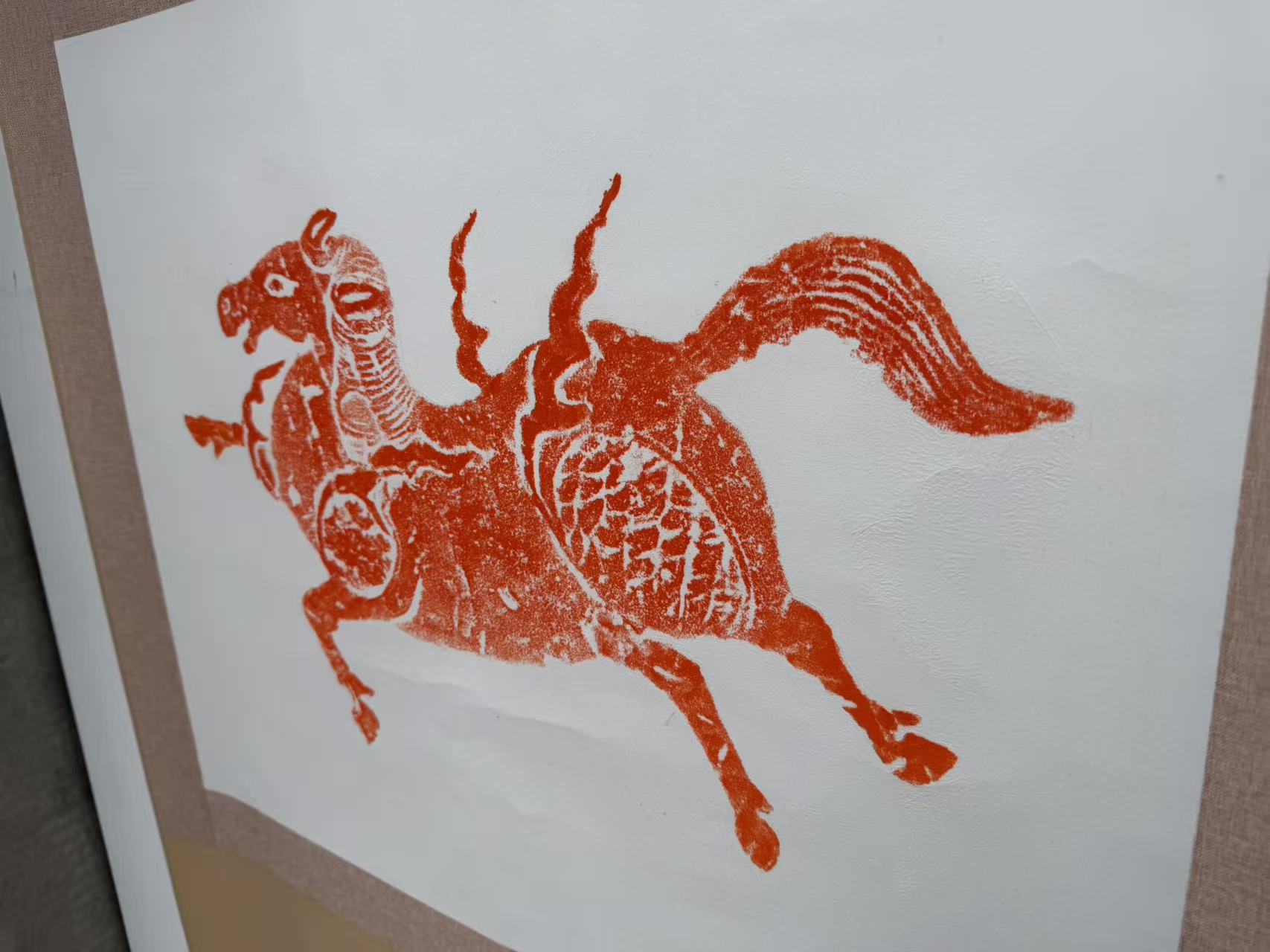
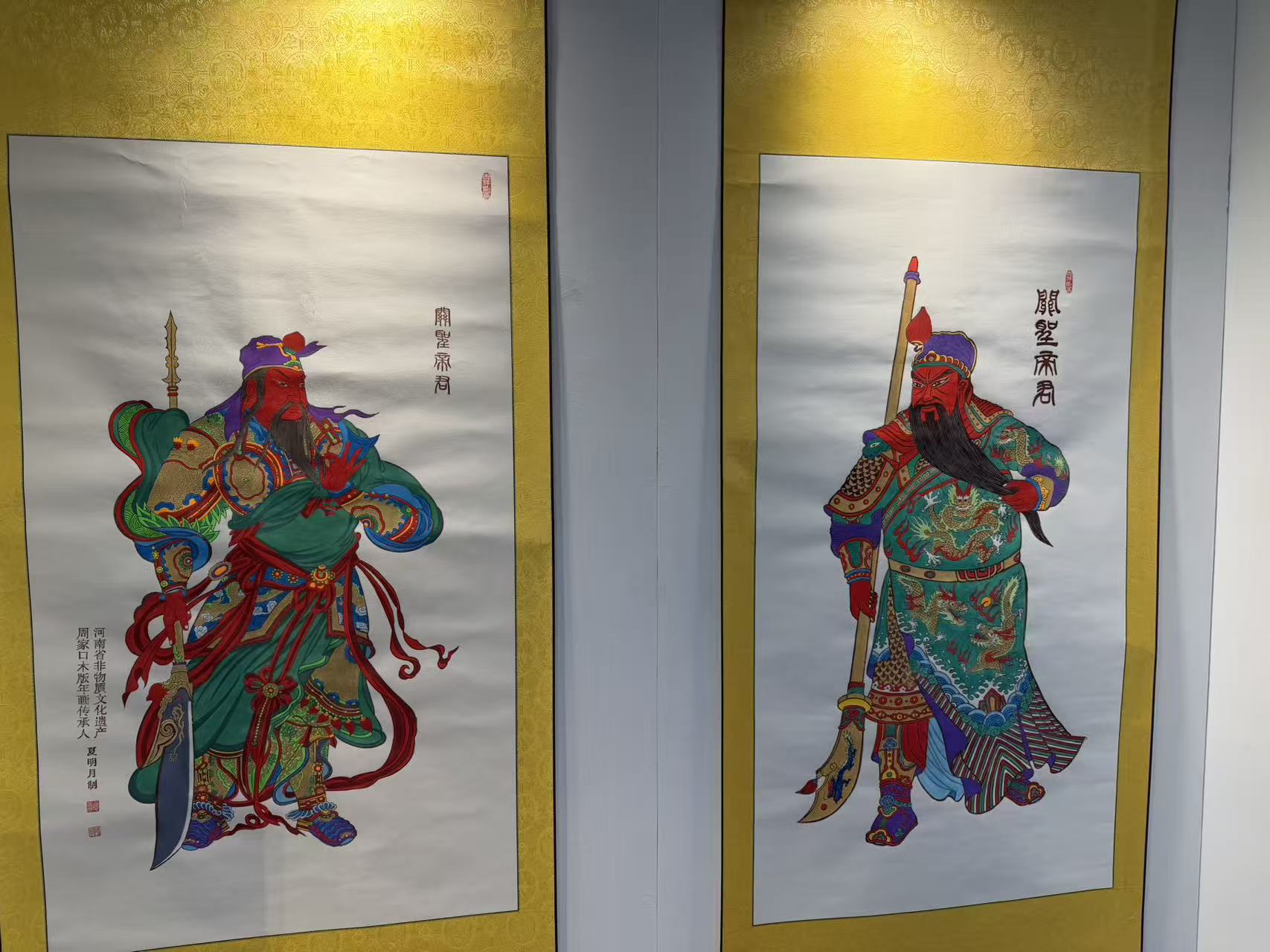
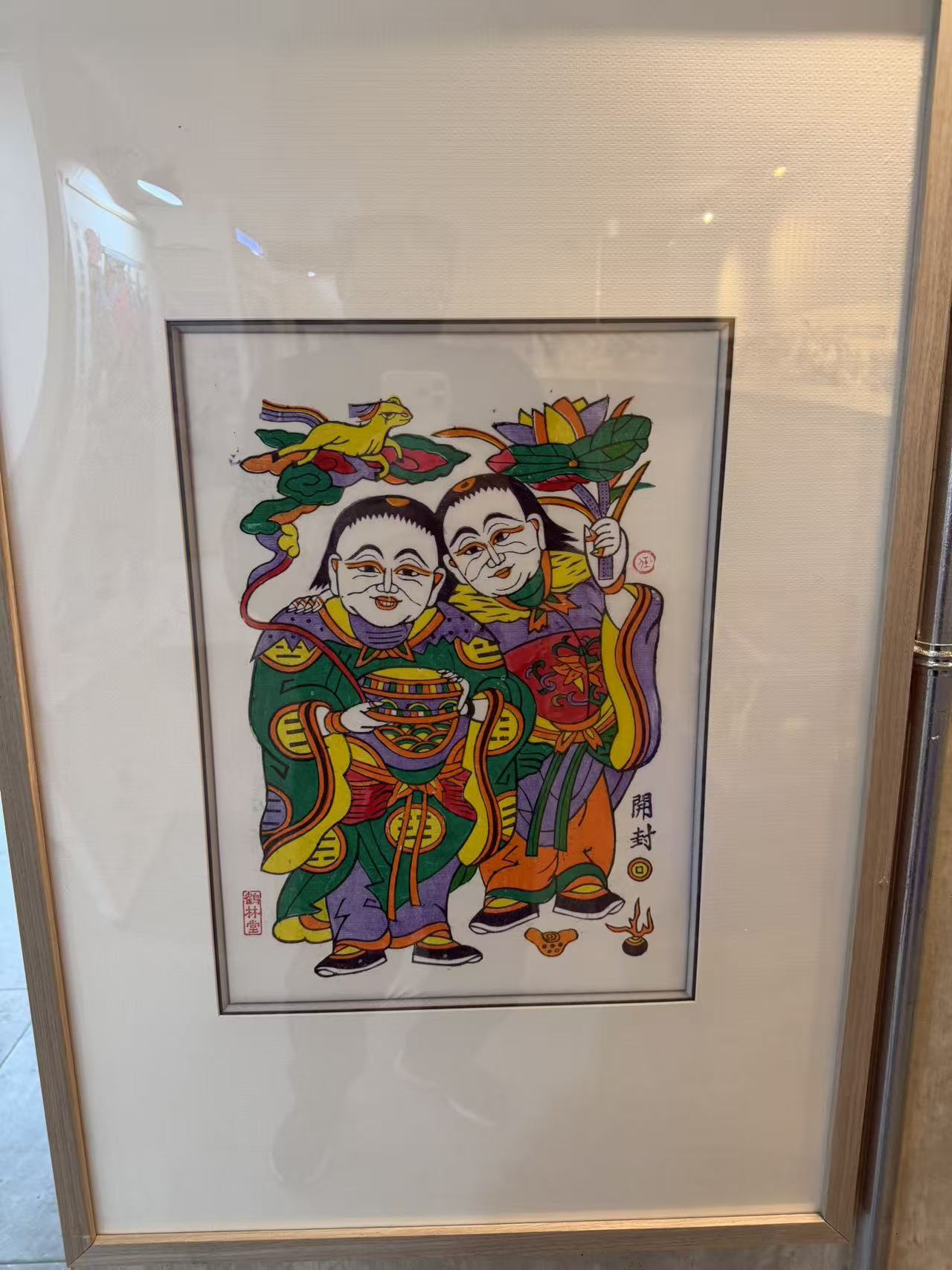
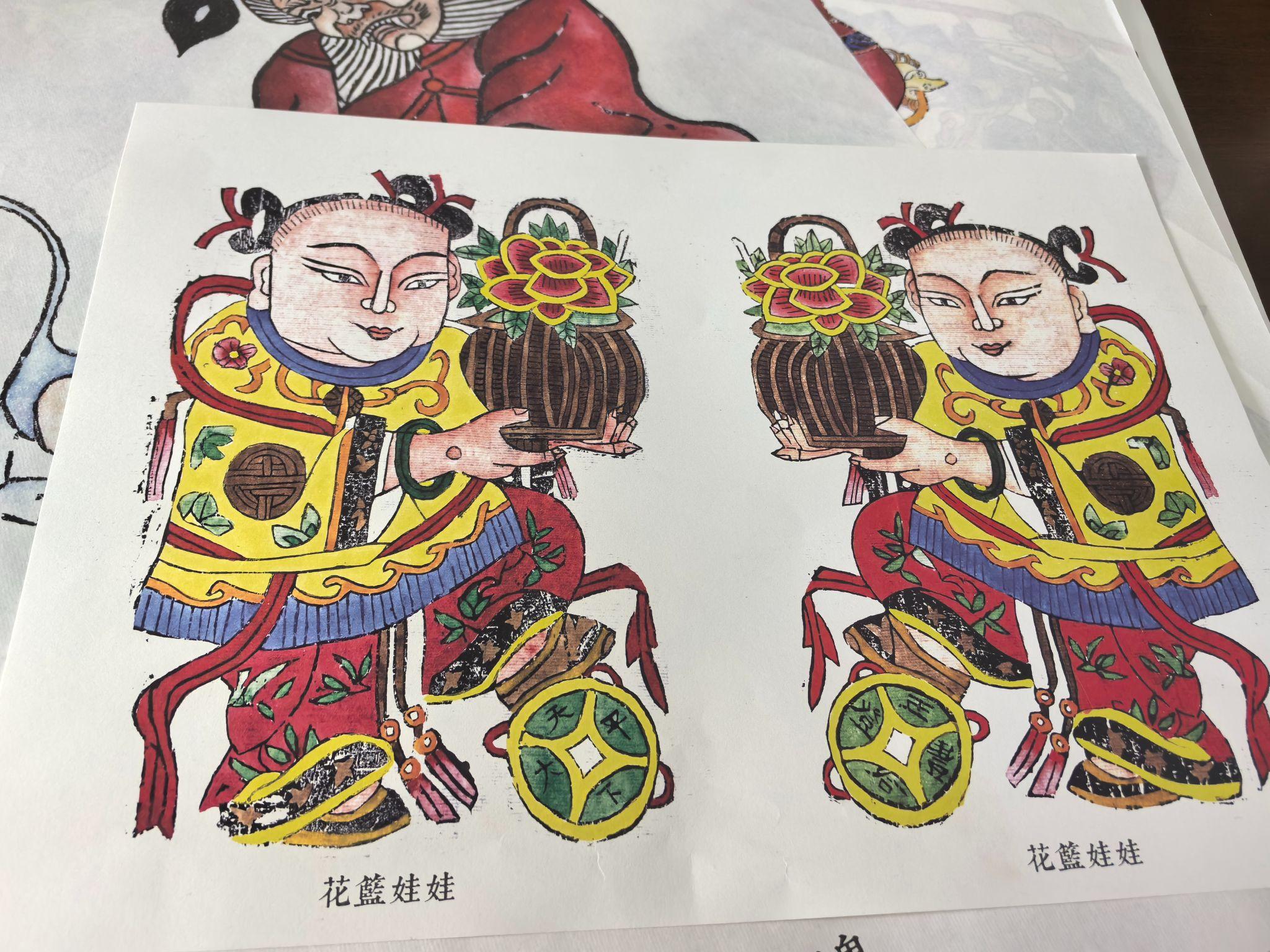
Originating from Hua County in Anyang, Henan Province, Anyang woodblock New Year prints are among the most iconic forms of traditional Chinese folk art. Dating back to the Ming dynasty, these prints are created from intricately carved wooden blocks and finished with hand-applied colour. Depicting door gods, wealth deities, opera scenes, folk legends, and auspicious motifs, they are displayed on doors, windows, and walls during the Lunar New Year as symbols of hope for peace, prosperity, and a bountiful harvest. In 2008, Hua County woodblock New Year prints were inscribed on the National Intangible Cultural Heritage list. Today, local artisans continue to practise and innovate this centuries-old craft, sharing the charm of Anyang's folk art with audiences around the world.

Hebi Clay Whistles (Nigugu)
Craftsmanship

Hebi Clay Whistles (Nigugu)

Xun County clay whistles — known as "nigugu" for the cooing sound they make when blown — are a national-level intangible cultural heritage in the traditional fine arts category. Produced mainly in Yangyitun Village, Liyang Township, Xun County, Henan Province, these charming folk toys date back to ancient bird-worship and fertility rituals, with mounted warrior and weapon figures appearing during the Sui and Tang dynasties. Nigugu come in over a hundred varieties across three broad categories — human figures, animals, and birds — characterised by bold, exaggerated forms and vivid contrasting colours. They are sculpted by hand or mould from local yellow clay, then dried, fired, and painted.

Hebi Wanfu Tiger
Craftsmanship

Hebi Wanfu Tiger

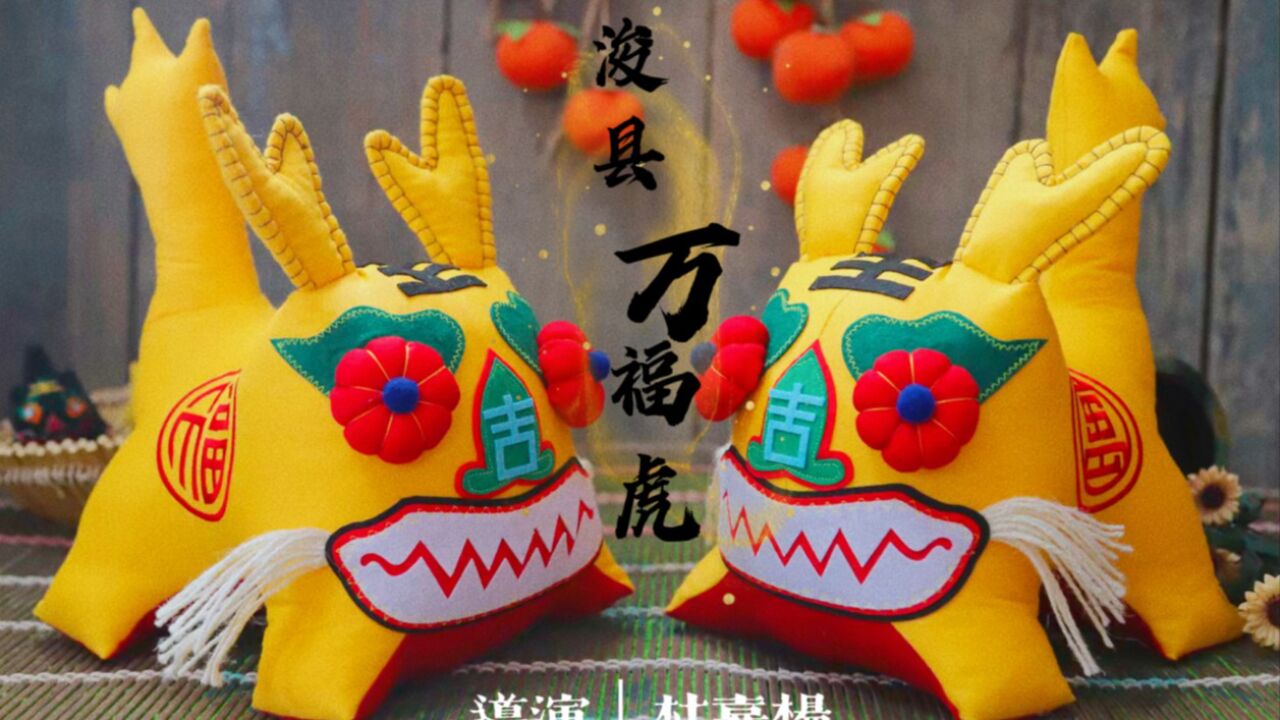
The Wanfu Tiger of Xun County, Hebi, is a traditional handicraft with over 600 years of history. Each piece passes through seven exacting stages — selecting fabric, cutting, sewing, stuffing, painting, appliqué, and embroidery. The craft encompasses three distinct series: painted tigers, appliqué tigers, and embroidered tigers, the last of which requires mastery of more than a dozen needlework techniques. With forms ranging from ascending tigers and descending tigers to standing and reclining ones, every Wanfu Tiger carries rich layers of cultural meaning and stands as a treasured legacy of Chinese folk art.

Henan University Cultural Creations
Folk Art

Henan University Cultural Creations

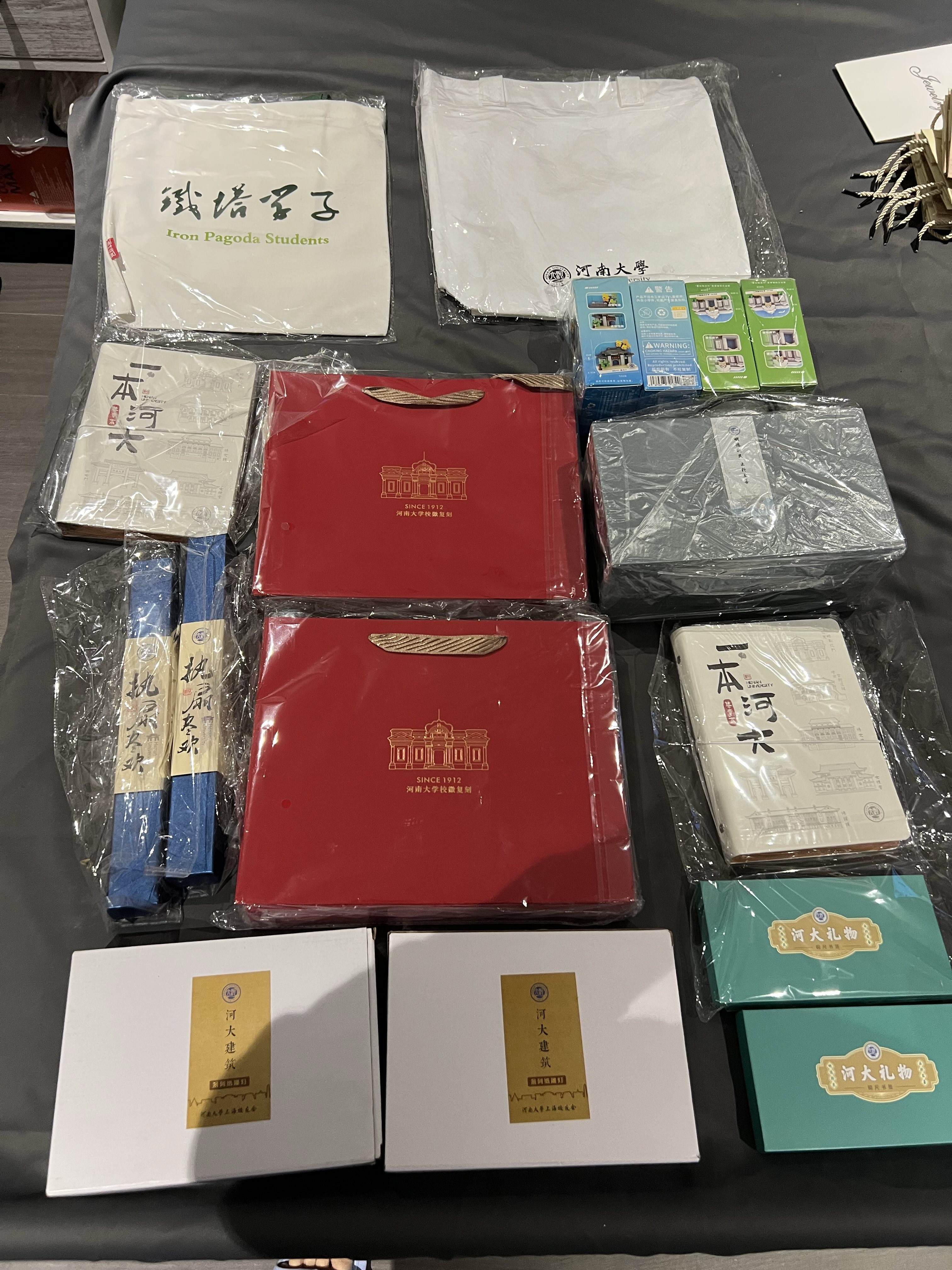
Henan University traces its roots to 1912, when the Henan Preparatory School for Overseas Studies was founded on the grounds of the former Henan Imperial Examination Hall in Kaifeng — the very site that witnessed the end of China's thousand-year civil examination system. Over more than a century the institution has grown from a school preparing students to study abroad into a nationally recognised "Double First-Class" university, all while remaining deeply rooted in the Central Plains. Carrying forward this century-old academic tradition, Henan University lives by its motto — "Illuminate virtue, renew the people, and rest only in the highest good." Its campus blends Chinese and Western architectural styles, from the grand auditorium to the elegantly upturned eaves of its historic dormitory halls, each a testament to the passage of time. The university continues to attract scholars from home and abroad, forging ahead on its mission to preserve Chinese civilisation while engaging with the wider world.

Hua County Woodblock New Year Prints
Craftsmanship

Hua County Woodblock New Year Prints

Jianfeng Han, a native of Hua County, Henan Province, is a representative inheritor of the fourth national list of intangible cultural heritage projects for woodblock New Year prints. Born into a family of print-makers, he learned the craft from his elders as a child and began producing simple prints in 1976. From 1994 onward he visited veteran artisans across the region and travelled to other print-making centres to study and exchange techniques. After years of effort he recovered the nearly lost printing traditions of Lifangtun Village, restoring the original processes and methods. His prints are half-printed, half-painted, employing dyeing, brushing, daubing, and dotting techniques in bold reds, yellows, and greens. The resulting works are vigorous yet free-flowing, unrestrained, and refreshingly direct.

Pucheng Ancient Pottery
Craftsmanship

Pucheng Ancient Pottery

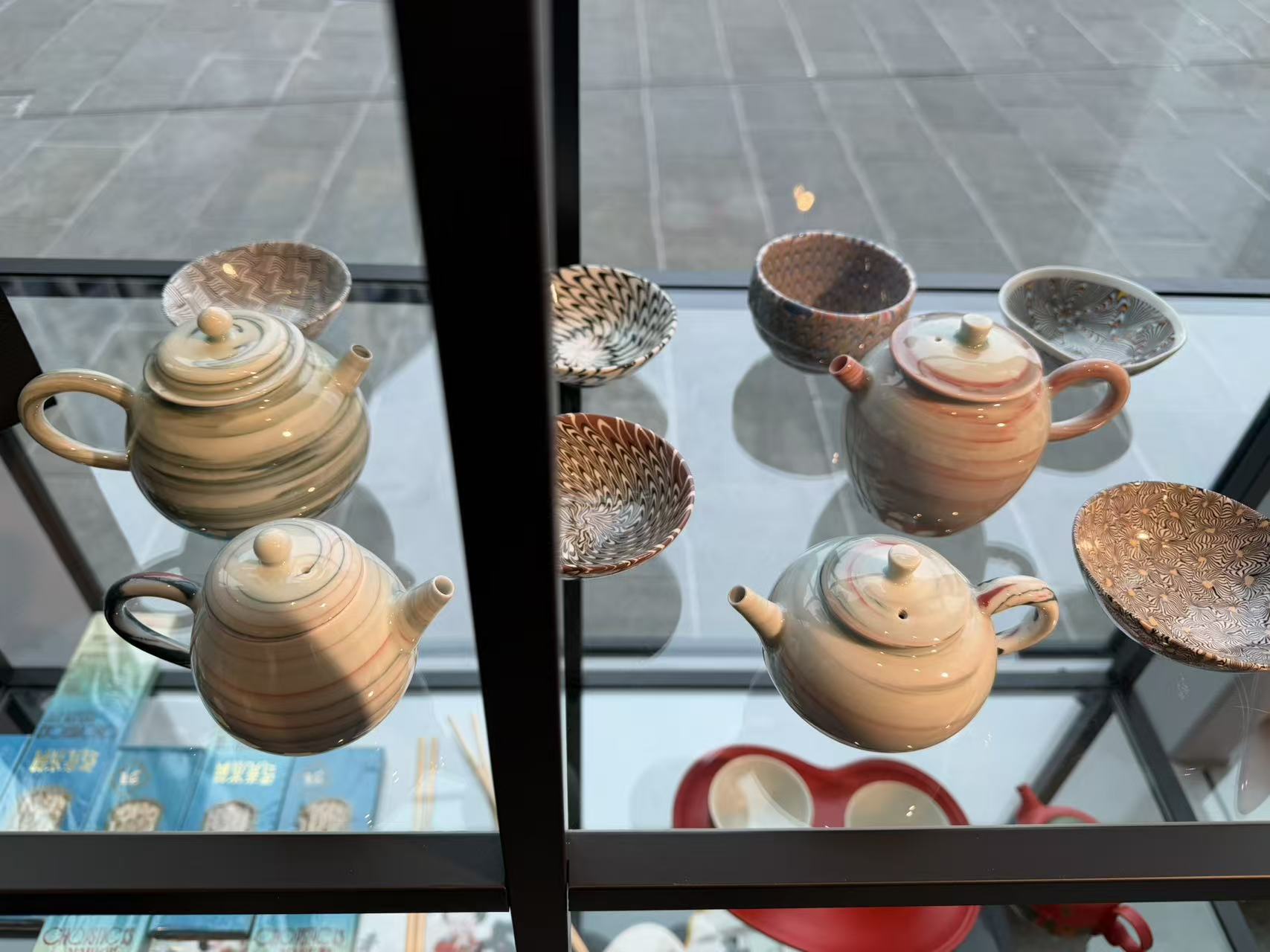
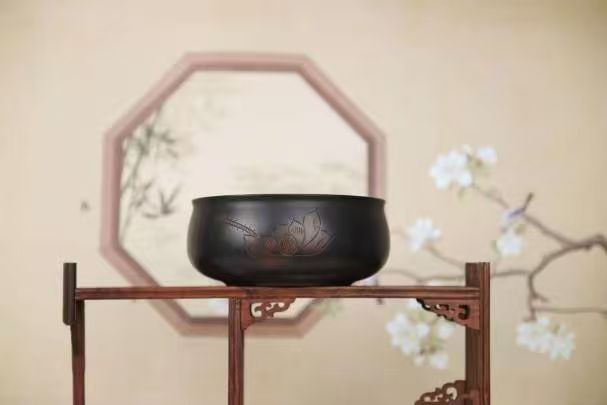
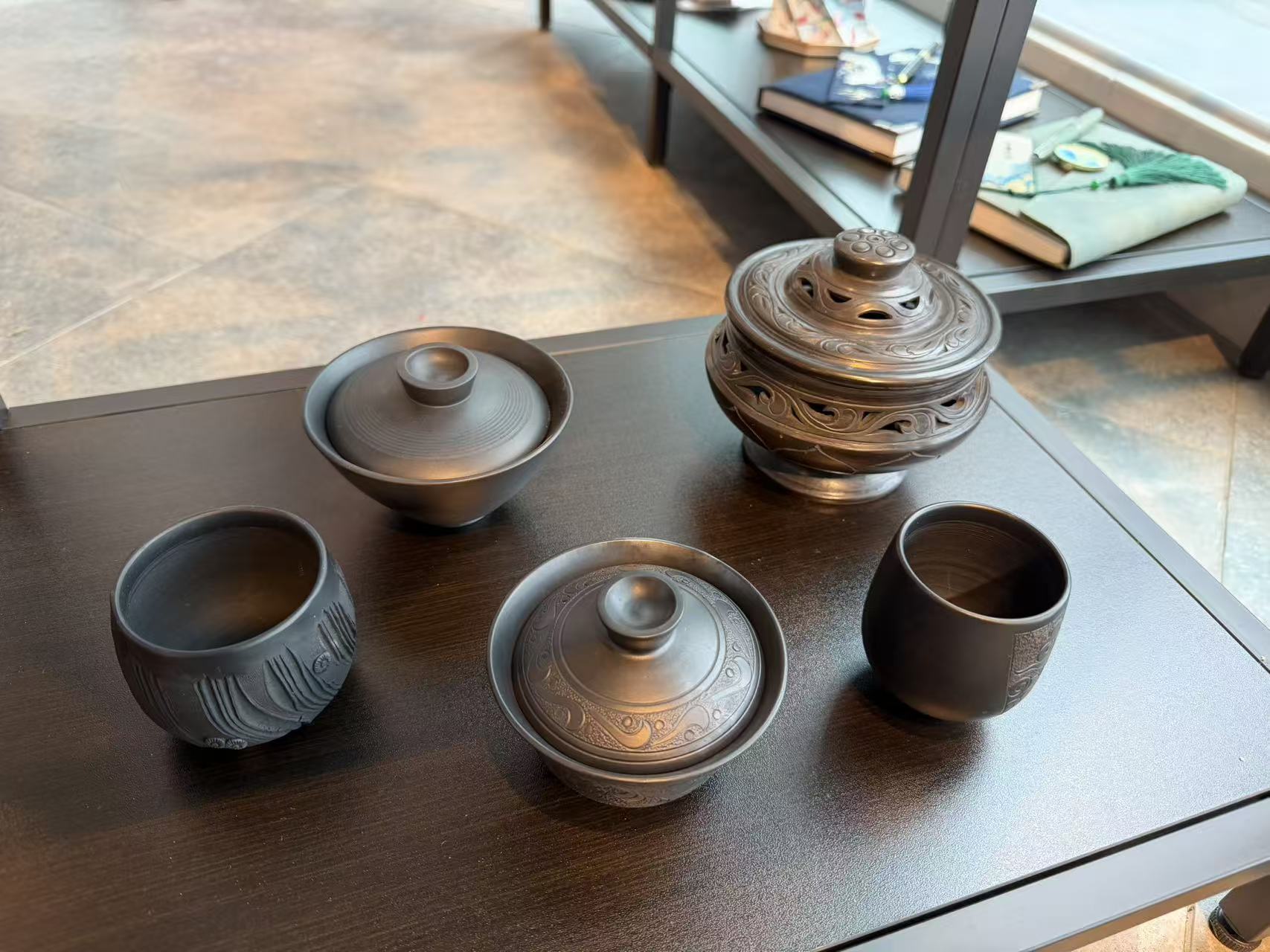
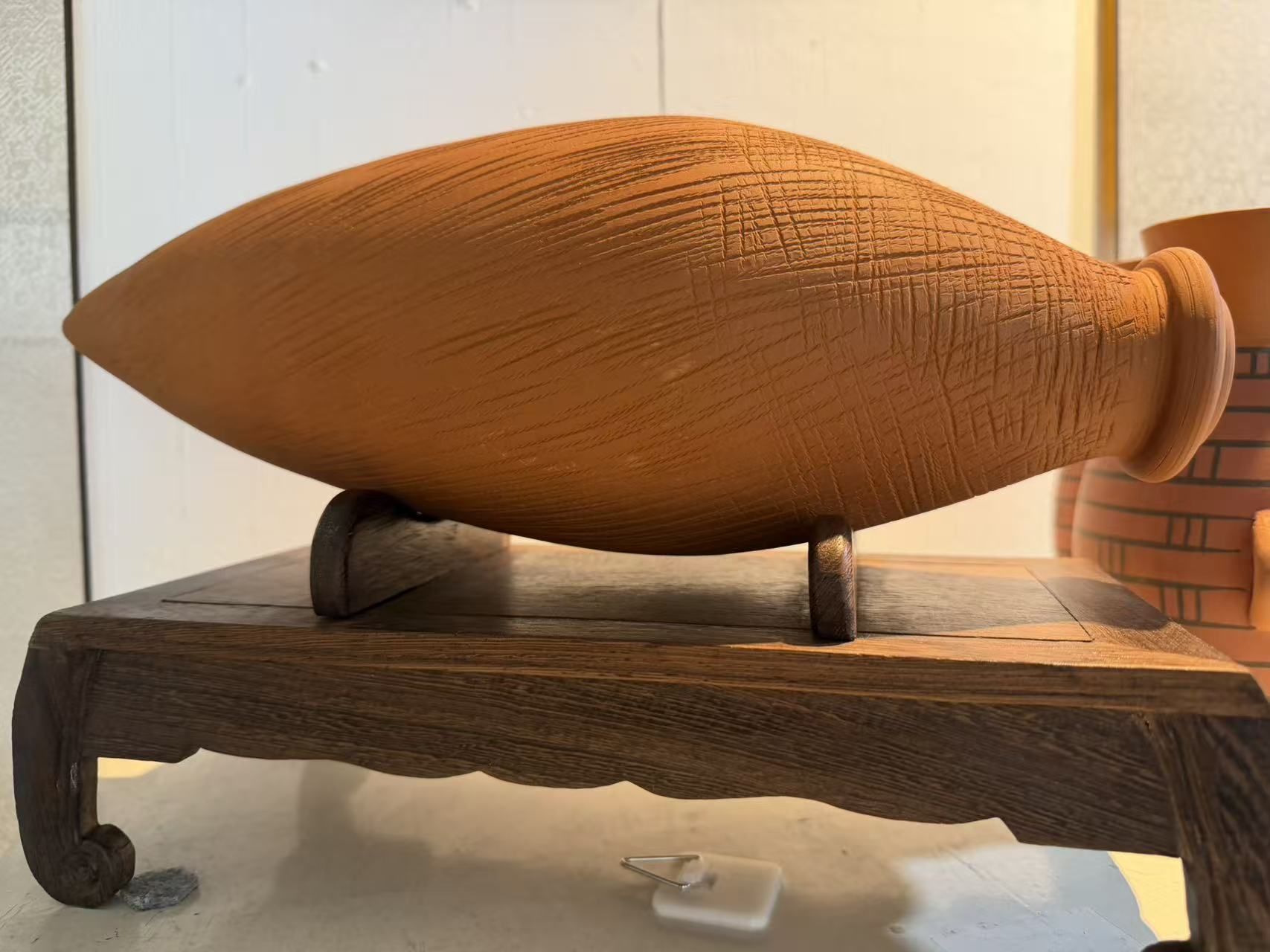
Pucheng ancient pottery is a distinctive ceramic tradition originating from Puchengdian in the Weidong District of Pingdingshan, Henan Province. Archaeological finds at the site confirm a pottery-making culture stretching back more than five thousand years. Characterised by robust, understated forms and a weathered, earthy elegance, Pucheng ware embodies the philosophy of "refinement hidden in simplicity" — a quiet beauty that echoes the dawn of Central Plains civilisation. In recent years, local artisans have revived traditional clay recipes and firing methods, blending carving, painting, and calligraphy with the ware's rustic character to produce tea caddies, incense burners, vases, and scholar's desk accessories, establishing Pucheng ancient pottery as an important cultural emblem of modern Henan.

🏺
Craftsmanship

Nanyang Pyrography Chopsticks

Nanyang pyrography chopsticks are an important form of Nanyang pyrography, a national-level intangible cultural heritage also known as "branded painting," "scorched painting," or "fire-brush painting." The art was established in 1877 by Xingsan Zhao of Nanyang. The chopsticks are made from holly medicinal wood — a fine, cool-natured timber that is naturally white and turns an ivory-yellow after being steeped in sesame oil, releasing a subtle fragrance. Artisans hand-burn elegant motifs of flowers, birds, figures, and landscapes onto the flat faces of the square-headed chopsticks, producing pieces of considerable artistic and collectible value.

Xiangzhou Kiln
Craftsmanship

Xiangzhou Kiln

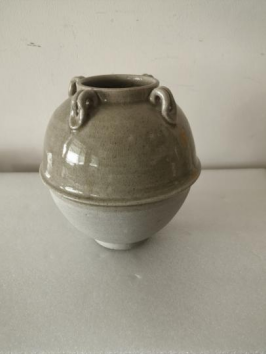
Located in the Anyang area of northern Henan, the Xiangzhou Kiln was one of the key production centres for early white porcelain during the Sui and Tang dynasties. Together with the Xing Kiln and the Gongyi Kiln, it helped establish the foundations of northern China's white-porcelain industry. Xiangzhou ware is noted for its fine, lightweight body and glazes that range from milky white through pale blue to soft green, occasionally flecked with tiny dark-brown spots that speak to the natural character of the local clay and firing process. Archaeological excavations of nearby tombs have yielded a rich assortment of objects — bowls, jars, bottles, incense burners, and figurines — serving both everyday and ritual purposes. As an important early example of white porcelain, the Xiangzhou Kiln offers invaluable physical evidence of the technological experiments and aesthetic shifts that took place in Chinese ceramics on the eve of the great Song-dynasty porcelain age.

School of Fine Arts, Zhengzhou University
Craftsmanship

School of Fine Arts, Zhengzhou University

Founded in 2001 as one of the first new departments established after the merger of Zhengzhou University, the School of Fine Arts has spent over two decades rooted in Central Plains culture while drawing on the teaching philosophies of China's leading art academies. It has built a comprehensive fine-arts programme centred on the distinctive "Central Plains Art" discipline, steadily expanding its reputation in academic circles and beyond to become a leading hub for arts education, research, and creative practice in Henan Province.

Yaoshen Culture (Hua Porcelain)
Craftsmanship

Yaoshen Culture (Hua Porcelain)

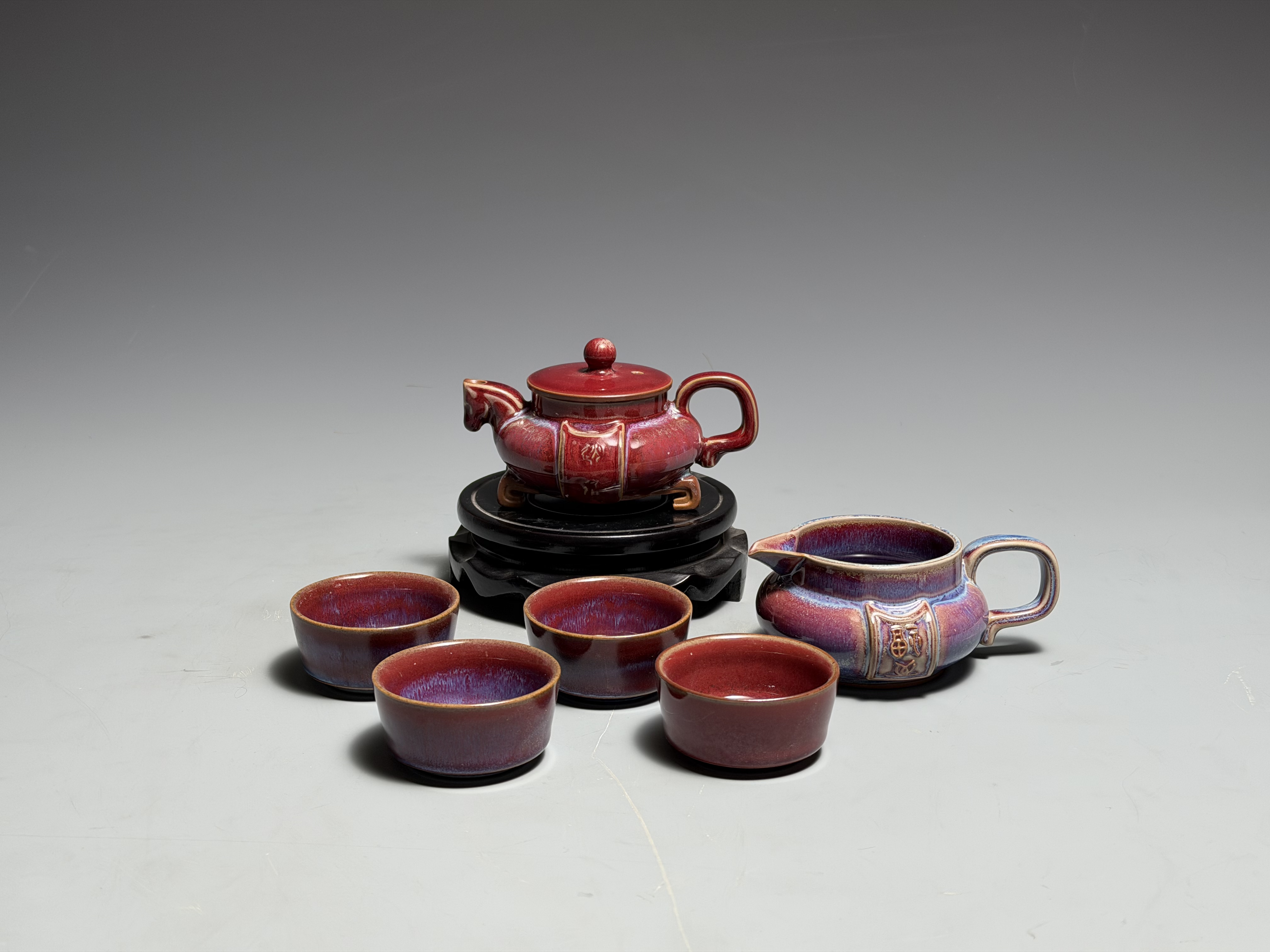
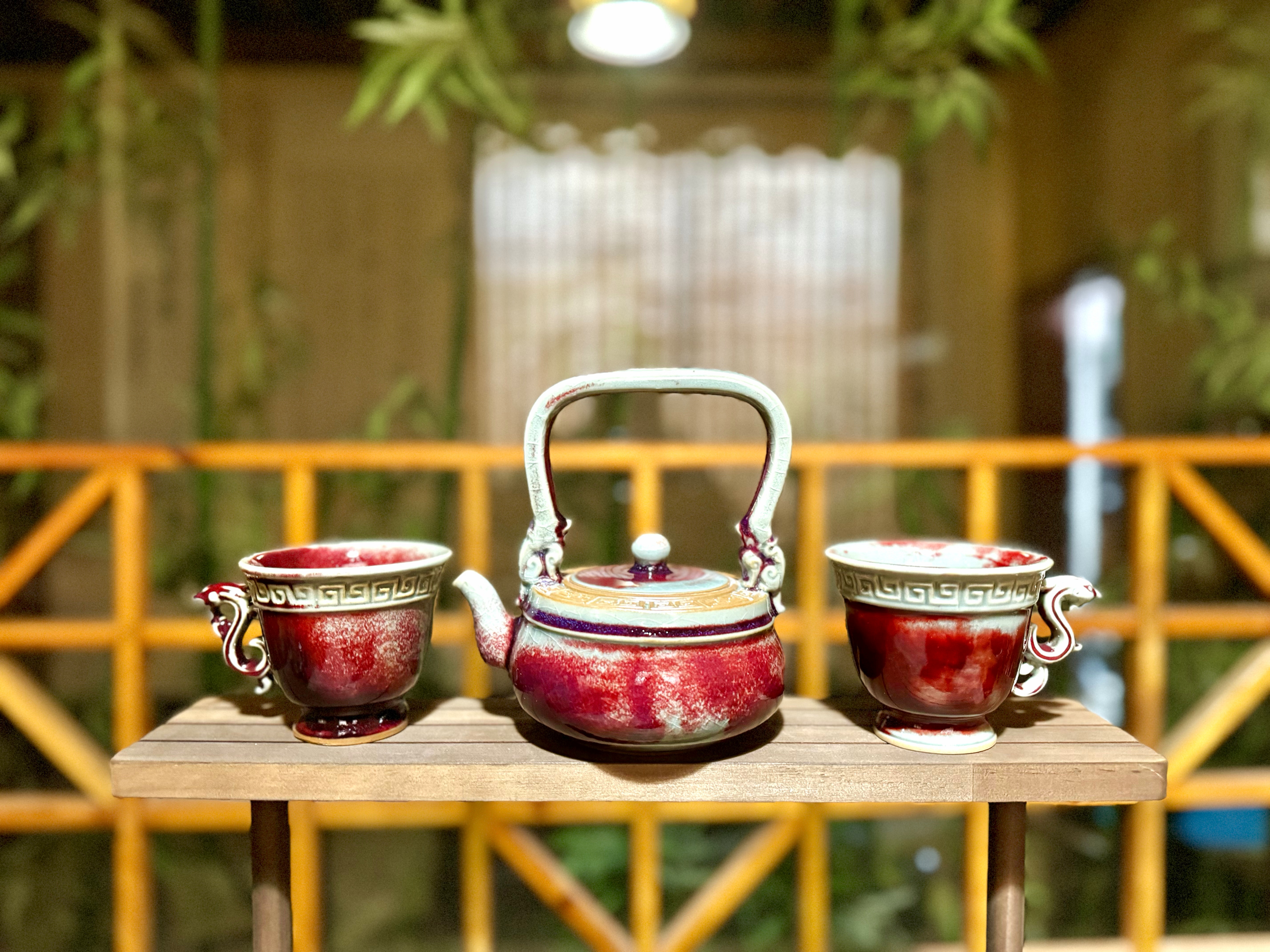
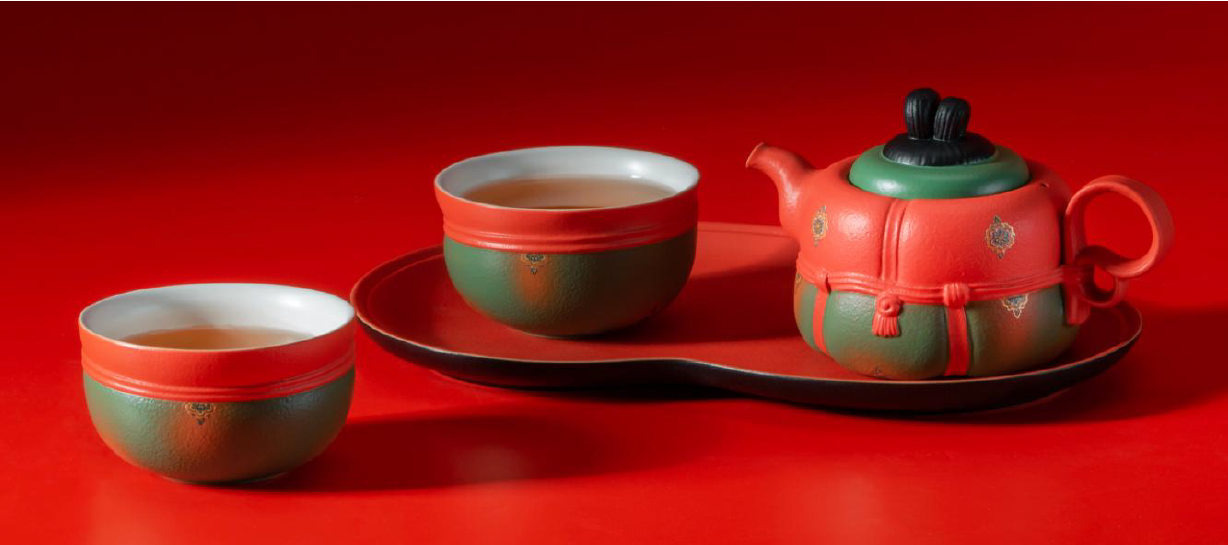
Quncheng Wang, from Lushan County, Henan Province, is a National Senior Arts and Crafts (Ceramics) Master, Level-1 Senior Technician, Senior Engineer, founder of the Lushan Hua Porcelain Heritage Base, and a leading figure in both the Lushan Hua porcelain and Central Plains ceramics industries. An inheritor of the intangible cultural heritage of Lushan Hua porcelain making, he devoted himself to ceramics from a young age and began working to revive the nearly lost Tang-dynasty Hua porcelain tradition after leaving the military in 1982. After 30 years of relentless effort he overcame a series of technical challenges and in 2012 established the Henan Yaoshen Cultural Communications Lushan Hua Porcelain Heritage Base. The studio has since reproduced over 300 traditional forms, created more than 200 original designs, and developed over 100 types of everyday porcelain — tea sets, tableware, wine vessels, and stationery.

Zhilantang Ru Ware
Craftsmanship

Zhilantang Ru Ware

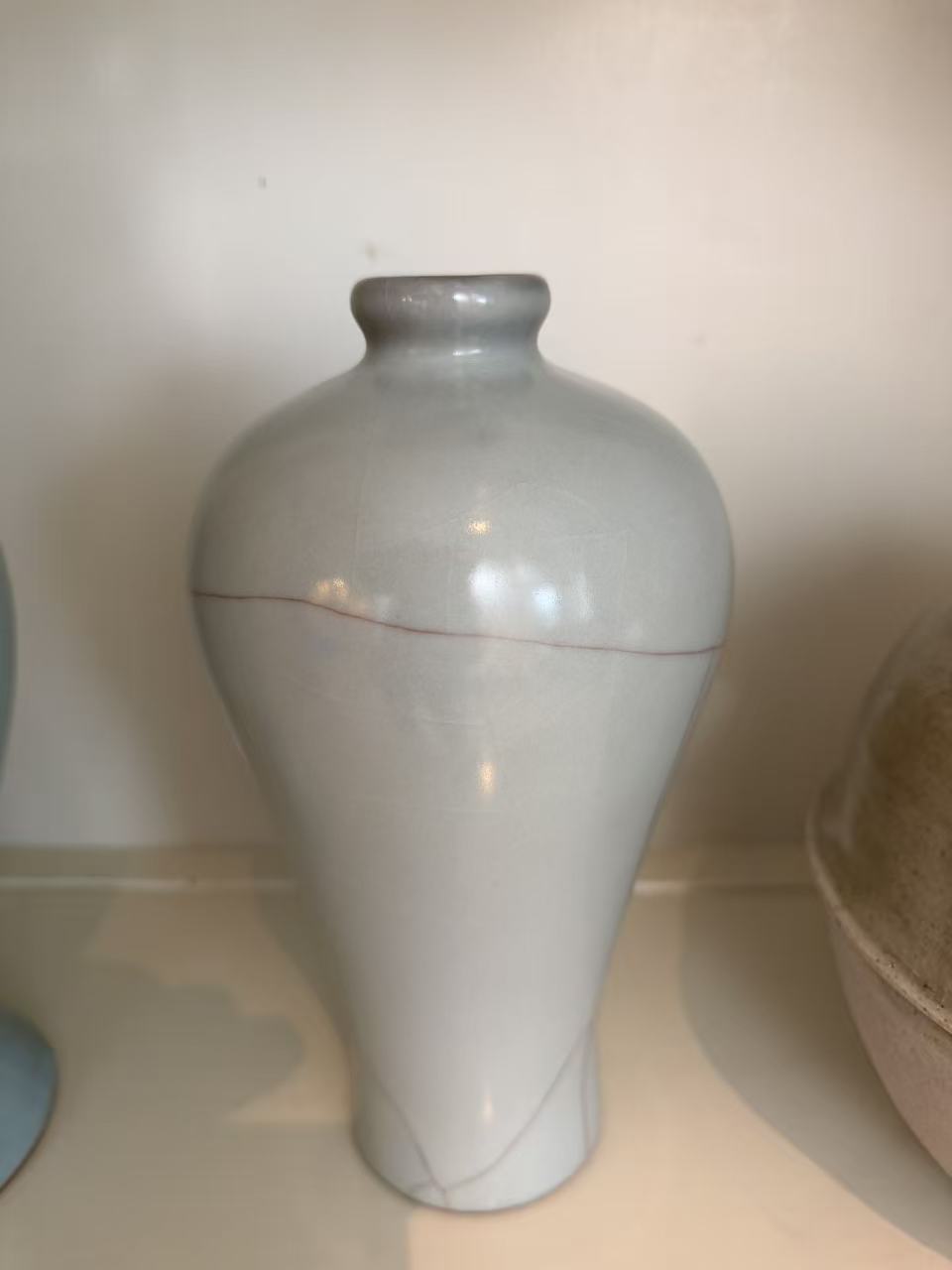
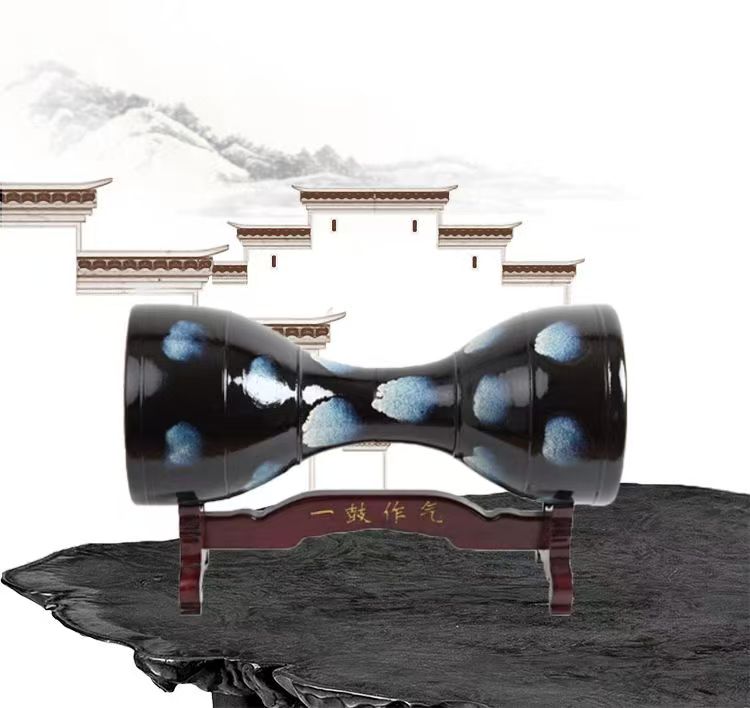
Zhilantang Ru Ware is dedicated to preserving and reinterpreting the aesthetic essence of Northern Song-dynasty Ru porcelain. Using precious shards from Song-dynasty imperial kilns as references and drawing on extensive research into museum collections, the brand faithfully recreates classic Ru ware masterpieces while incorporating protective techniques such as lacquer finishing and metal mounting, giving each piece a refined contemporary sensibility rooted in timeless elegance.