Anyang Woodblock New Year Prints
📍 Anyang, Henan
Anyang Woodblock New Year Prints, with Hua County prints as their most notable representative, boast a history dating back to the Ming Dynasty. Using knives as brushes, artisans carve intricate worlds onto wooden boards. Through meticulous manual overprinting, vibrant and lifelike artworks are born. These prints are not merely festive symbols that adorn countless households during the Chinese New Year, embodying hopes for the coming year; they also serve as a vivid medium for studying Chinese folk beliefs, social customs, and aesthetic tastes. In 2008, they were inscribed on China’s National Intangible Cultural Heritage List, marking their irreplaceable cultural value.
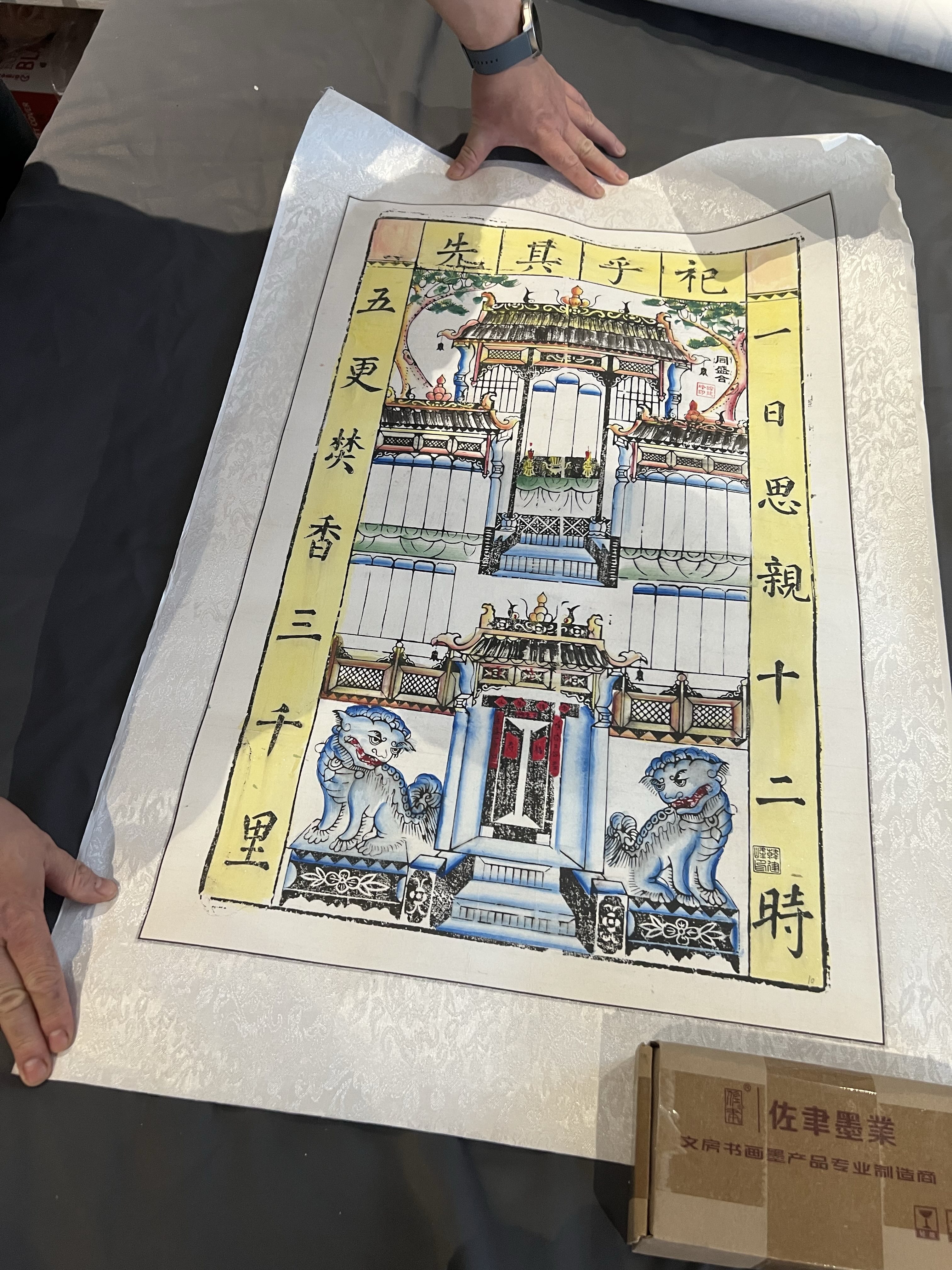
The history of Anyang Woodblock New Year Prints is a centuries-long chronicle of folk life and artistic evolution. Rooted in the agrarian civilization of the Central Plains, their origins are closely tied to the solidification of New Year customs, the flourishing of urban culture, and the widespread adoption of woodblock printing technology in the region since the Ming Dynasty. Initially serving the practical need to “ward off evil and attract blessings” during the Spring Festival, the content of these prints expanded from early themes of door gods and kitchen gods to include opera stories, scenes of folk life, and auspicious patterns, becoming a “folk encyclopedia” reflecting societal changes and collective public sentiment. Hua County, as the main production area, developed a unique artistic style and a stable lineage of transmission. Generation after generation of artisans, through family inheritance or master-apprentice tutelage, preserved this craft through periods of war and social upheaval. Its designation as a National Intangible Cultural Heritage represents not only official recognition of its historical status but also a deep appreciation and protection for the Chinese cultural DNA and local cultural memory it carries.
The core of this craft lies in its purely handmade “half-printing, half-painting” process, which embodies the masterful skill and aesthetic wisdom of its artisans. The entire procedure consists of four main stages:
-
Drafting and Block Carving: The artisan first creates a detailed line drawing on paper. This draft is then reversed and pasted onto a fine-grained wooden board, typically made of pear or tang pear wood. Using various carving tools as pens, the artisan meticulously carves along the lines, creating a main block (ink line block) and several color blocks.
-
Color Overprinting: This is the critical stage of production. The paper is secured, and printing follows the sequence of “ink lines first, then colors,” with the main block and each color block aligned and printed in succession. Each color must dry completely before the next is applied to prevent smudging.
-
Manual Touching-Up: After the basic color blocks are printed, many delicate areas—such as the blush on a character’s face, intricate clothing patterns, or detailed scenery—require the artisan to pick up a brush for manual touching-up, shading, and outlining.
-
Mounting: Finally, the printed and painted work is dried, trimmed, and simply mounted to become a complete New Year print.
Classic Works Featured in This Exhibition
-
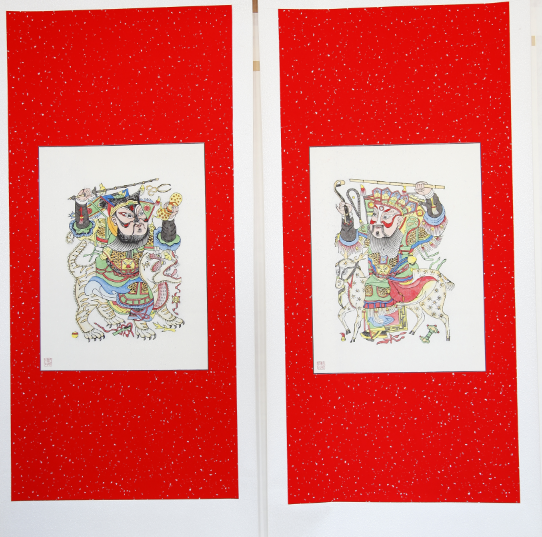
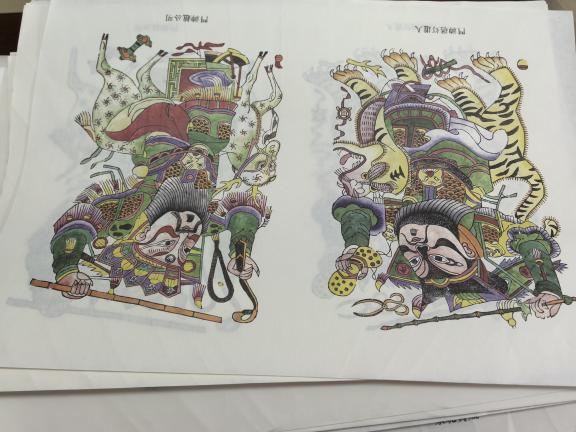
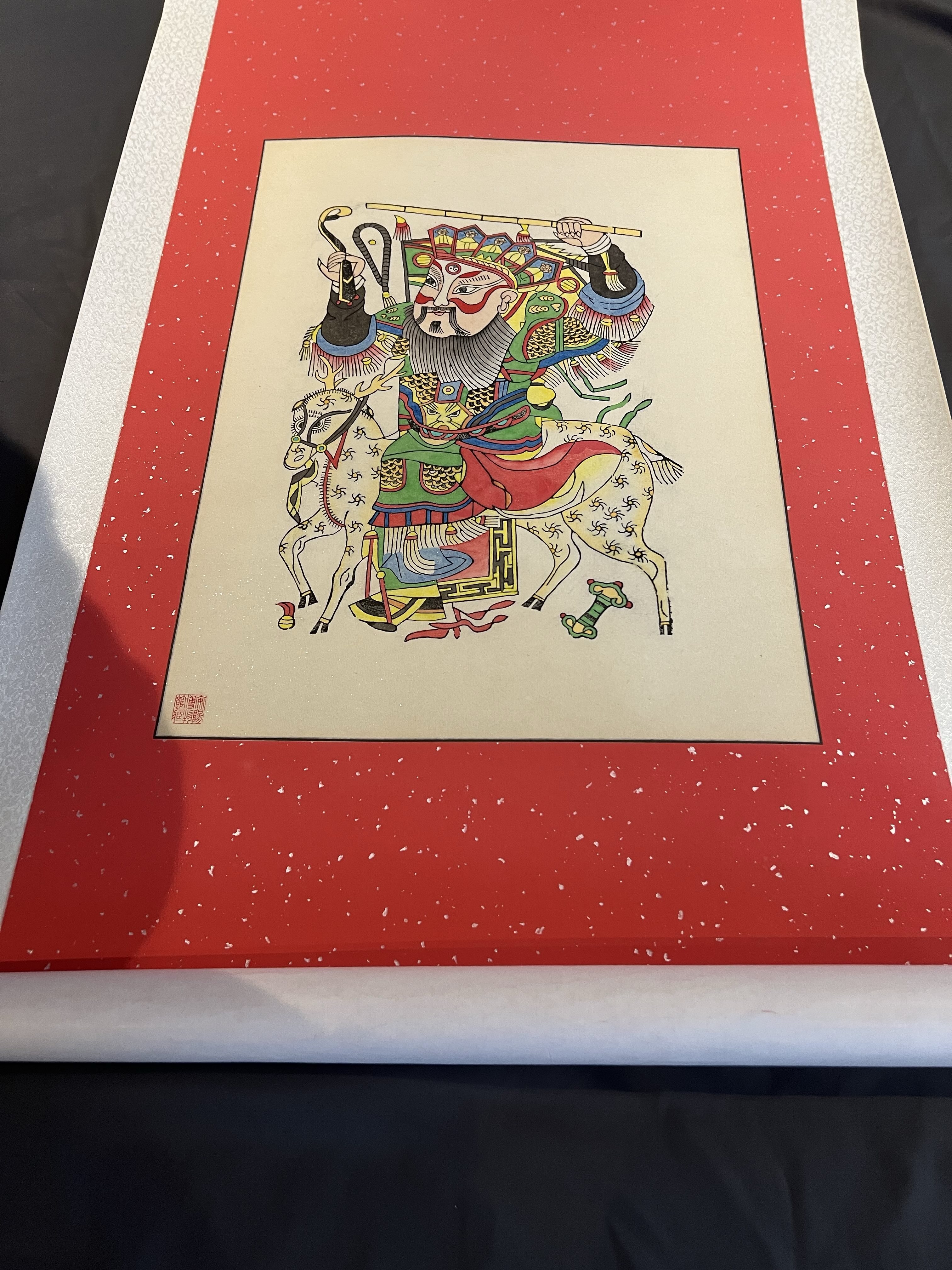
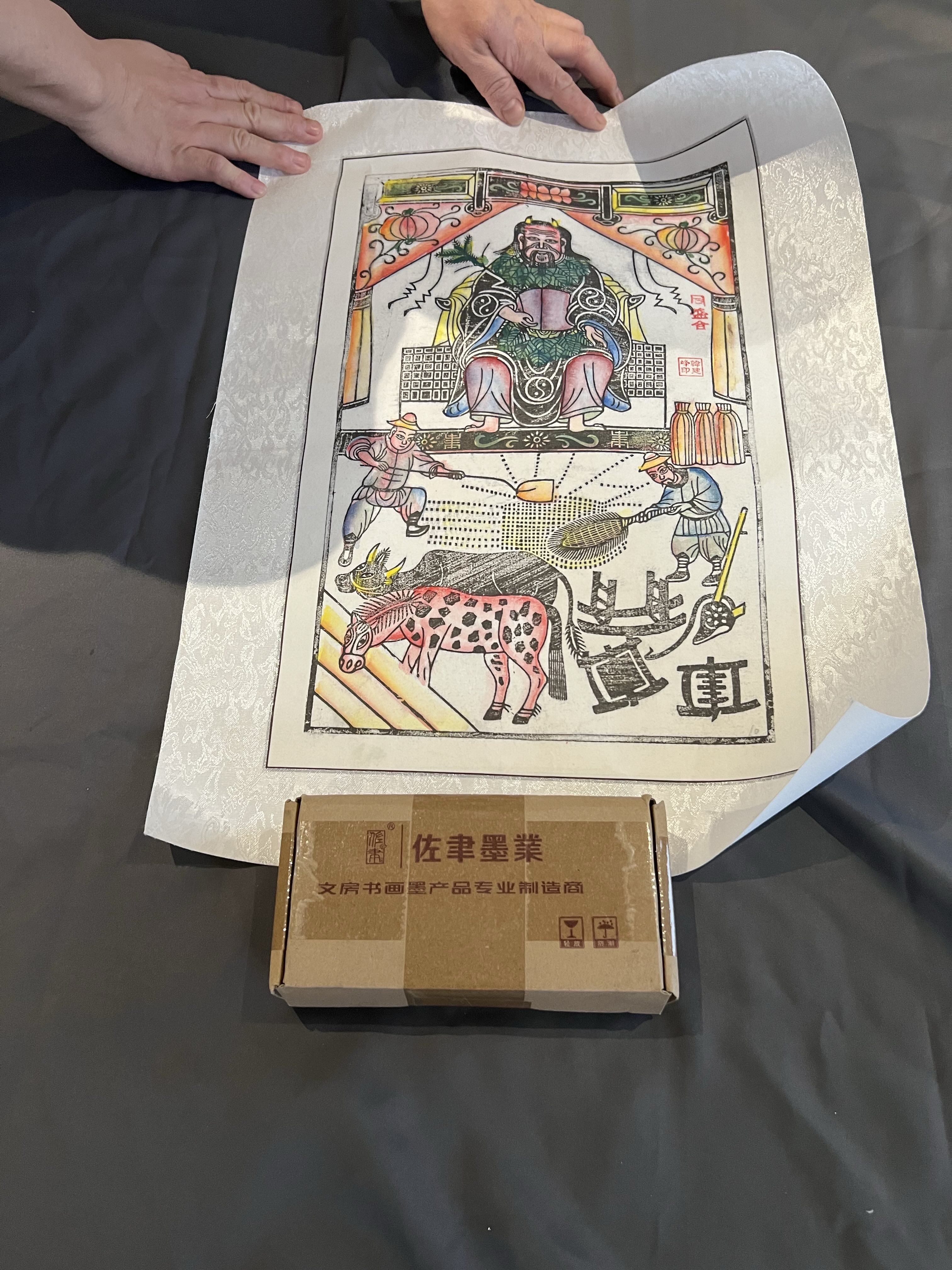
Door Gods Series: Works like The Taoist Master Randeng and Zhao Gongming draw inspiration from the classical Chinese mythology Investiture of the Gods. These two deities, one righteous and the other mystical, are revered as guardians of the household. In the print, Zhao Gongming holds a gold ingot and is also worshipped as the God of Wealth, reflecting the people’s dual aspirations for safety and prosperity.
-
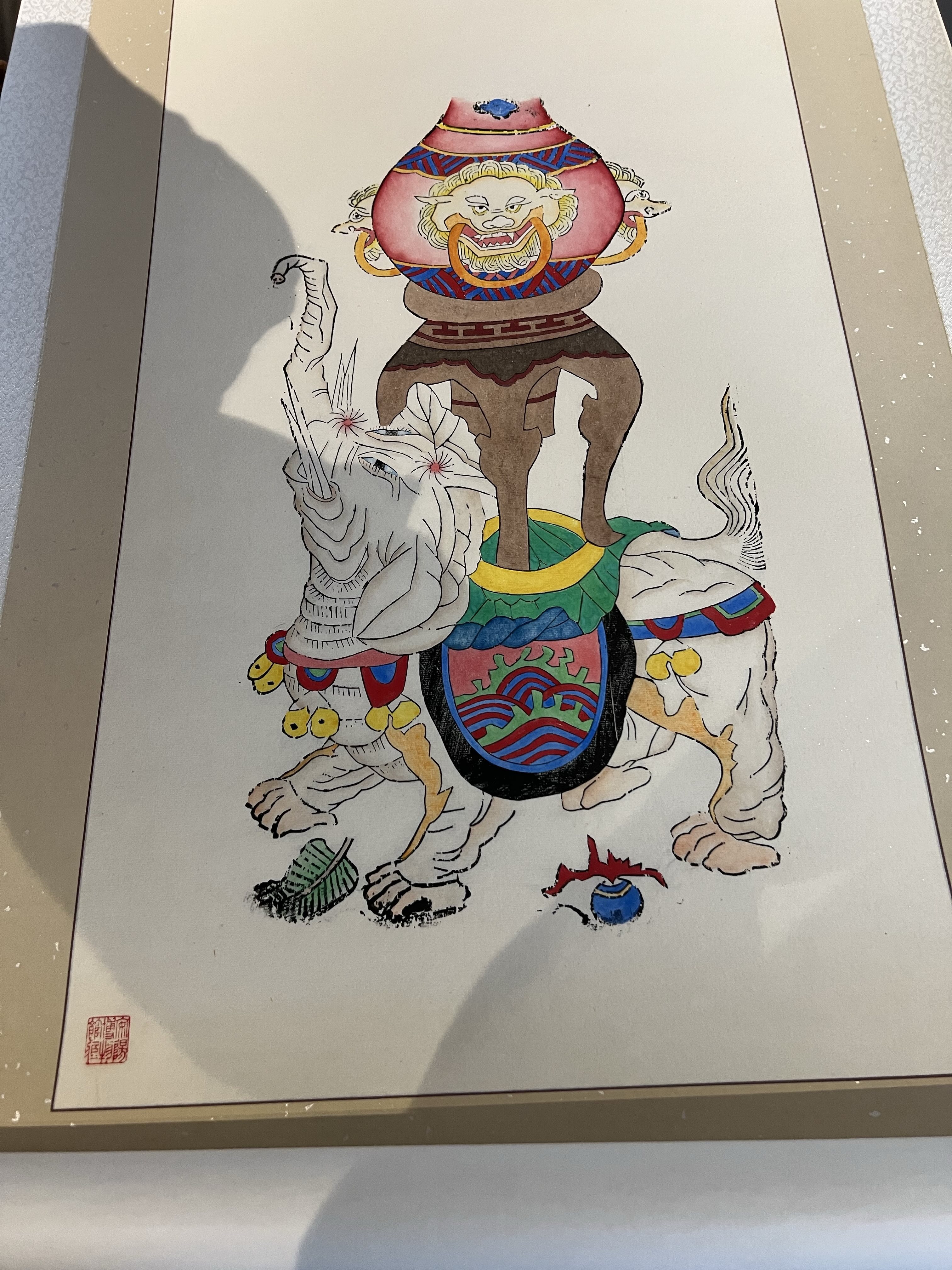
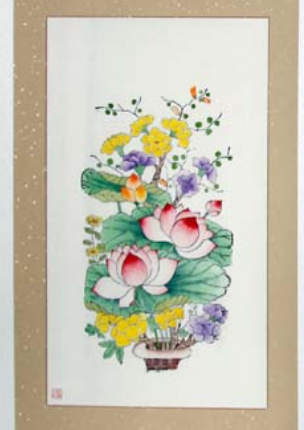
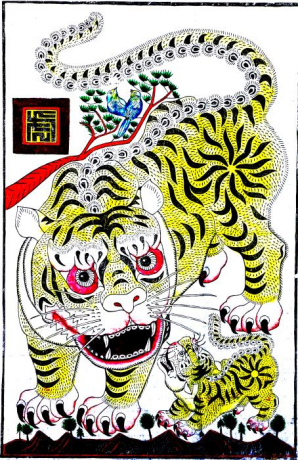
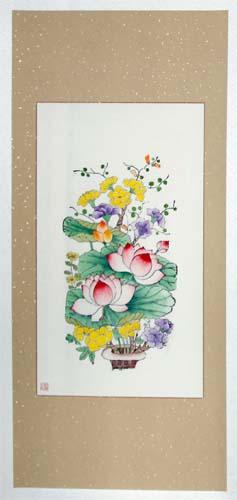
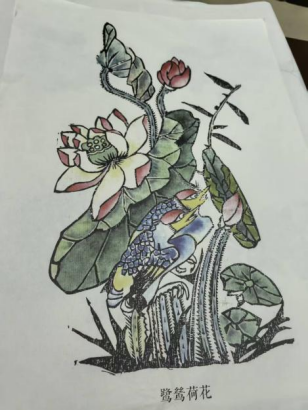
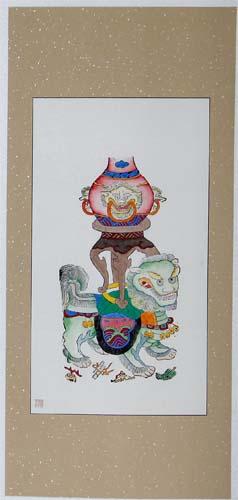
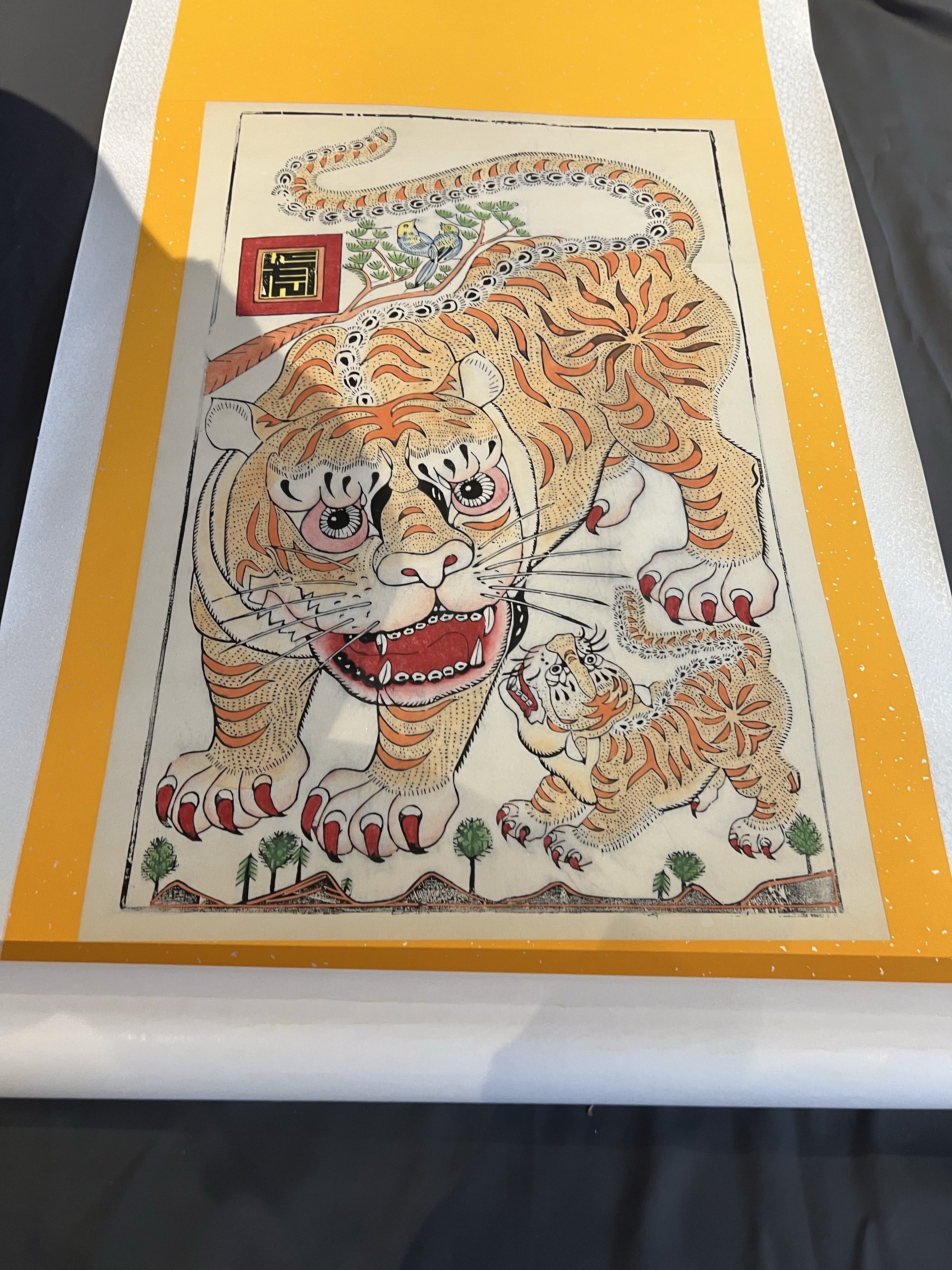
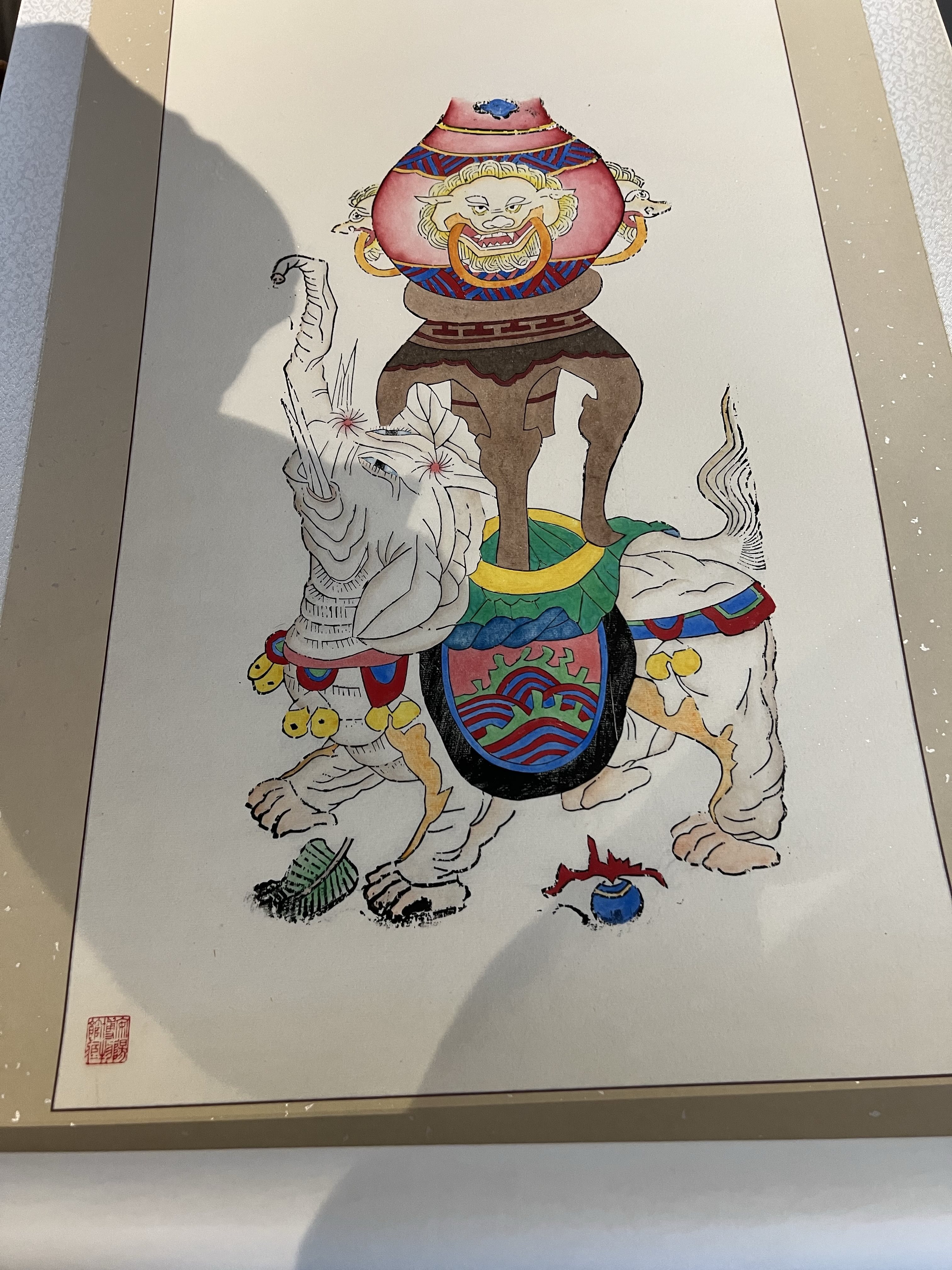
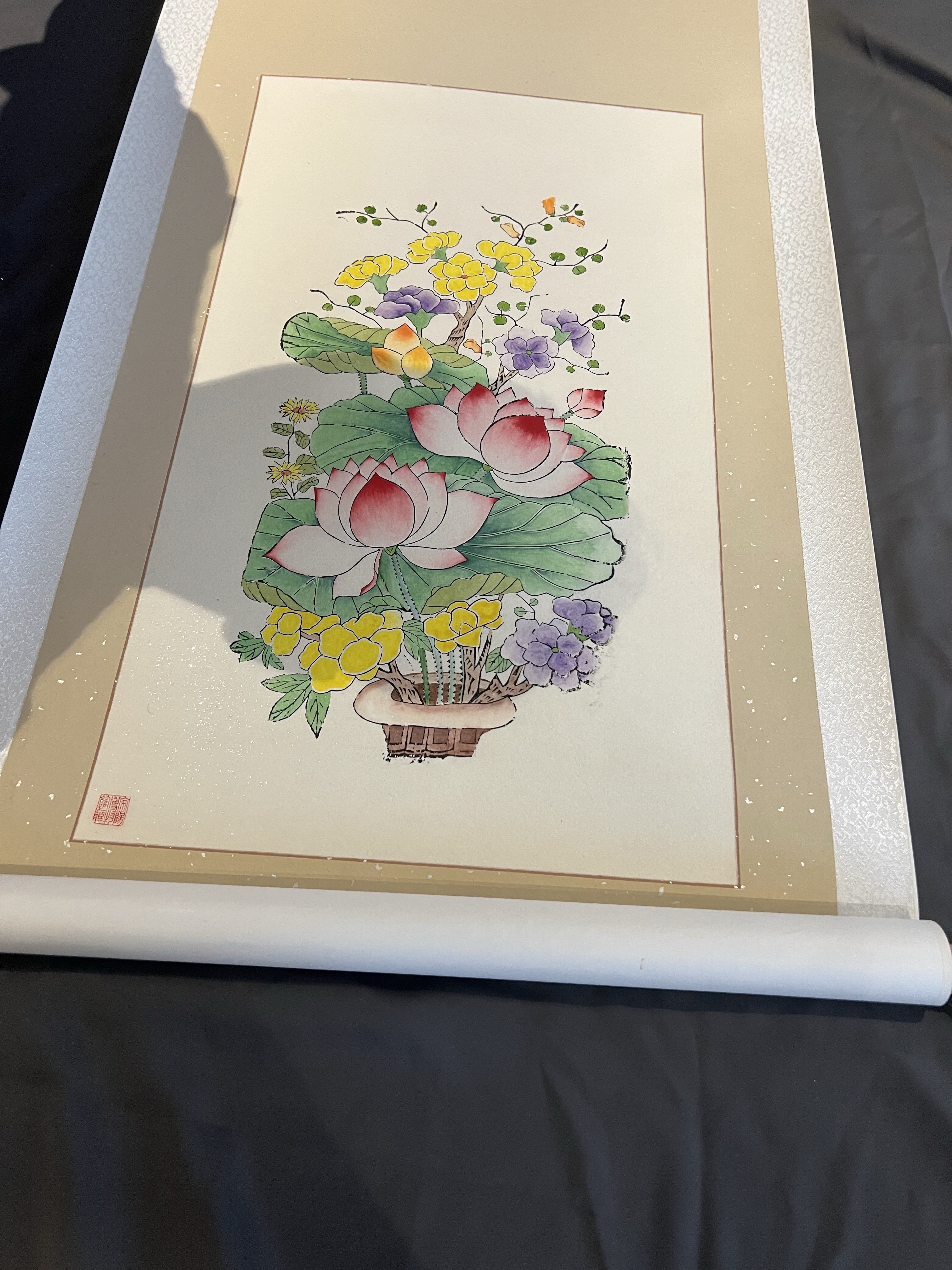
Auspicious Symbols: Elephant Carrying a Treasure Vase and Lion Carrying a Treasure Vase use the imagery of auspicious beasts and vases to symbolize “peace and prosperity” and “safety for generations.” The Lotus print, paired with magnolia and peony, combines elegance with wealth. Mother and Cub Tigers showcases the majesty and tenderness of the “Blessing Tiger,” symbolizing the expulsion of evil, the attraction of good fortune, and family prosperity.
-
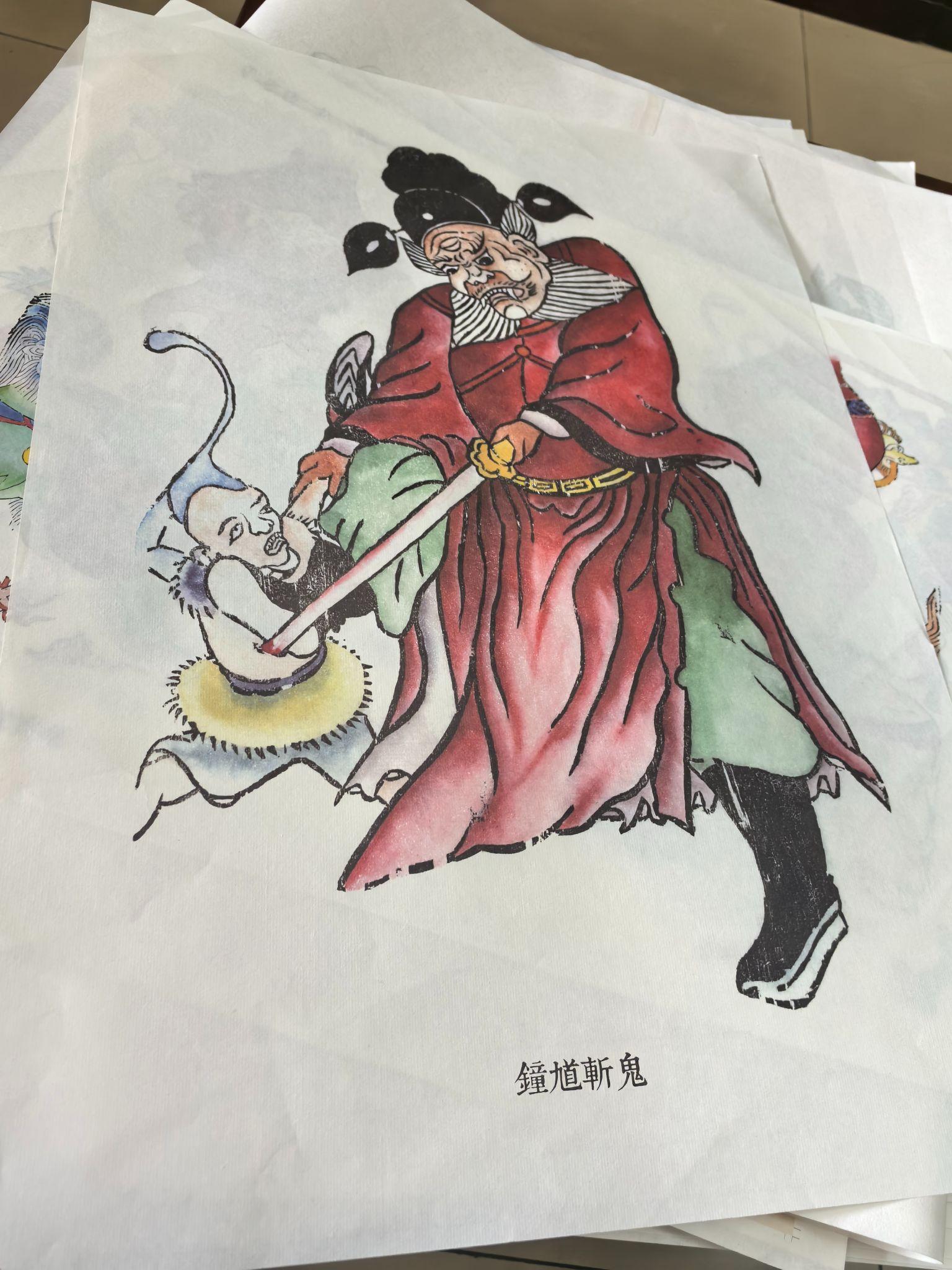
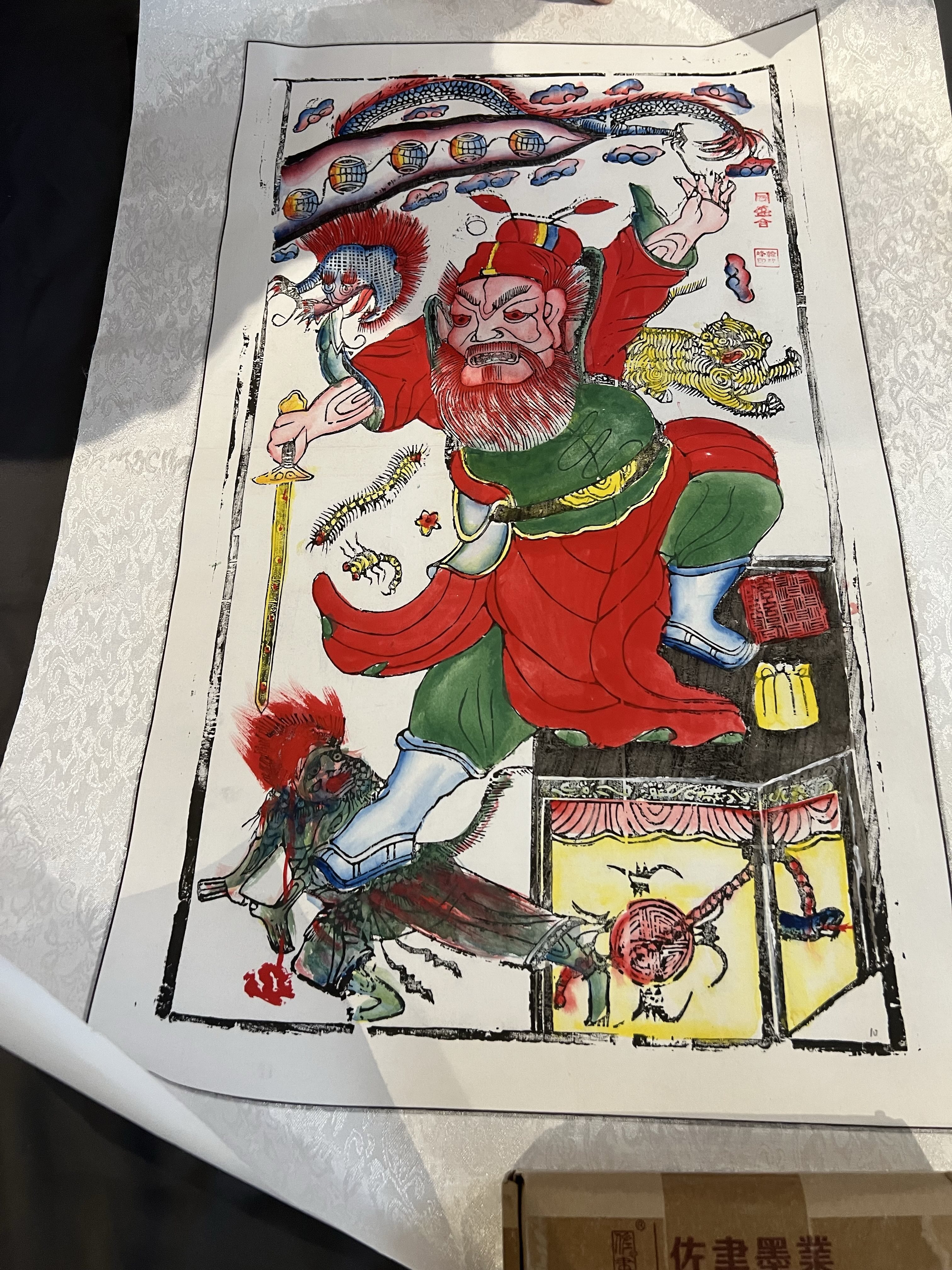
Warding Off Evil & Attracting Blessings: Zhong Kui Subduing the Demons is a classic theme for protecting the home. Zhong Kui, clad in red robes and wielding a sword, stares fiercely ahead. He is often accompanied by bat motifs, playing on the homophone “fu” (福 for blessing, 蝠 for bat) to signify “good fortune is at hand.” This embodies the spirit of unwavering integrity and the power to dispel evil forces.
-
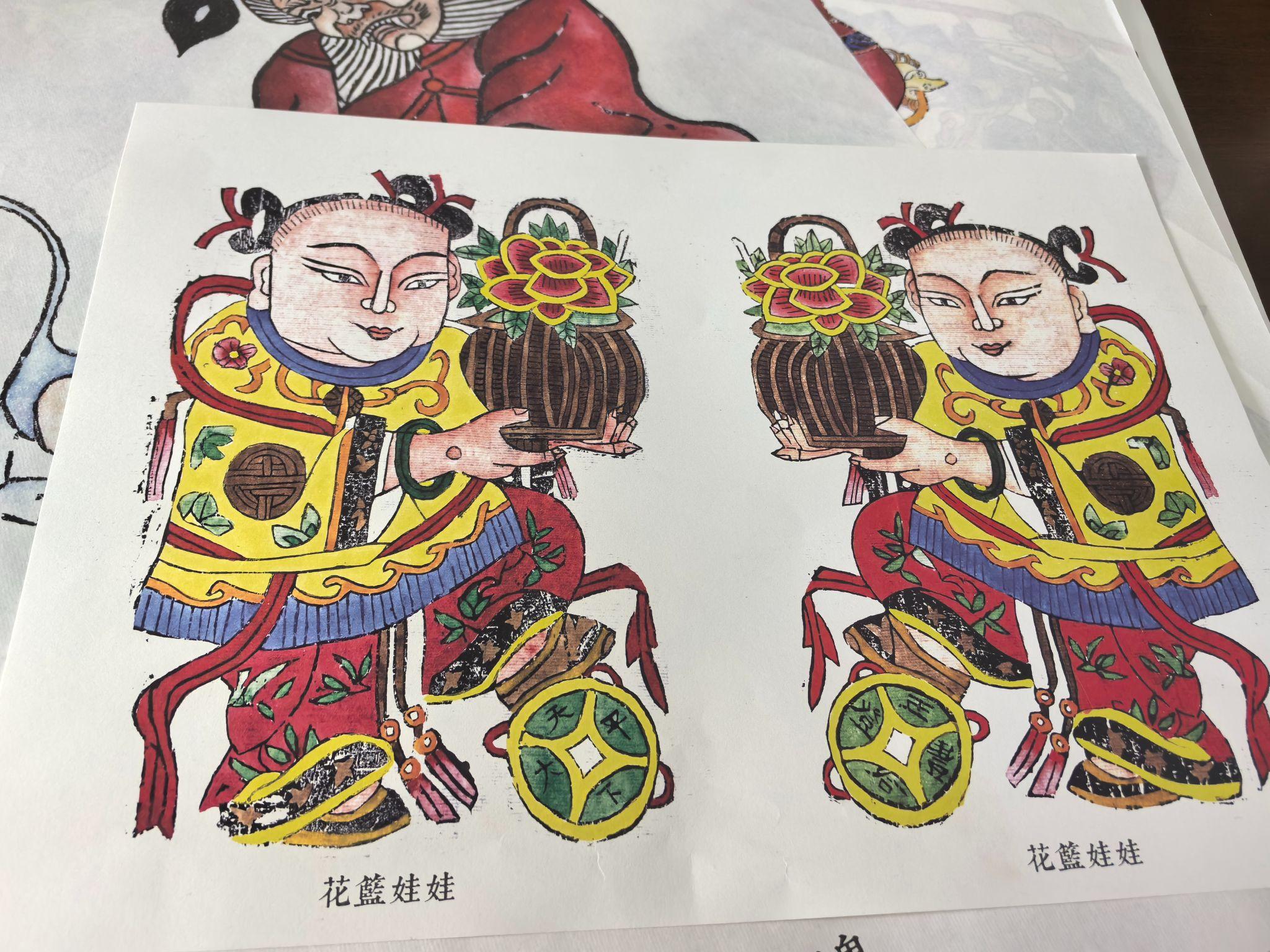
Celebration of Life: Child with Flower Basket presents a jubilant and richly detailed scene. A child holding a basket brimming with flowers from all seasons expresses simple wishes for many children and descendants, peace throughout the year, and a happy, fulfilling life.
-
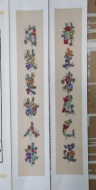
Artful Calligraphy: Couplets Composed of Flowers and Birds showcase exceptional ingenuity. Viewed up close, they appear as exquisite patterns of flora and fauna; from a distance, they reveal philosophical phrases such as “reflect on your own faults in quietude, avoid gossiping about others,” seamlessly blending artistic beauty with moral edification.
-
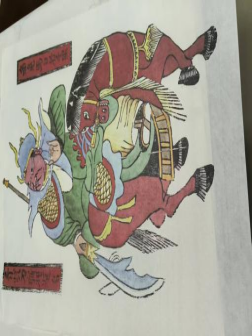
Veneration of Deities: Portrait of Lord Guan (Guan Yu) depicts the loyal, brave, and martially accomplished “Military Sage,” Guan Yu. His image is solemn and威严, serving as both an embodiment of loyalty and righteousness, and a guardian deity invoked for protection and attracting wealth and treasure.
-
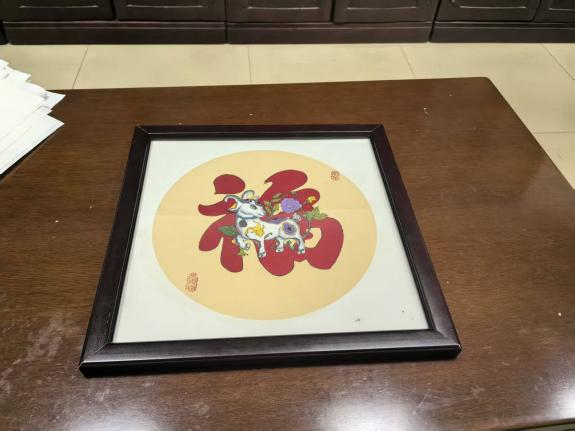
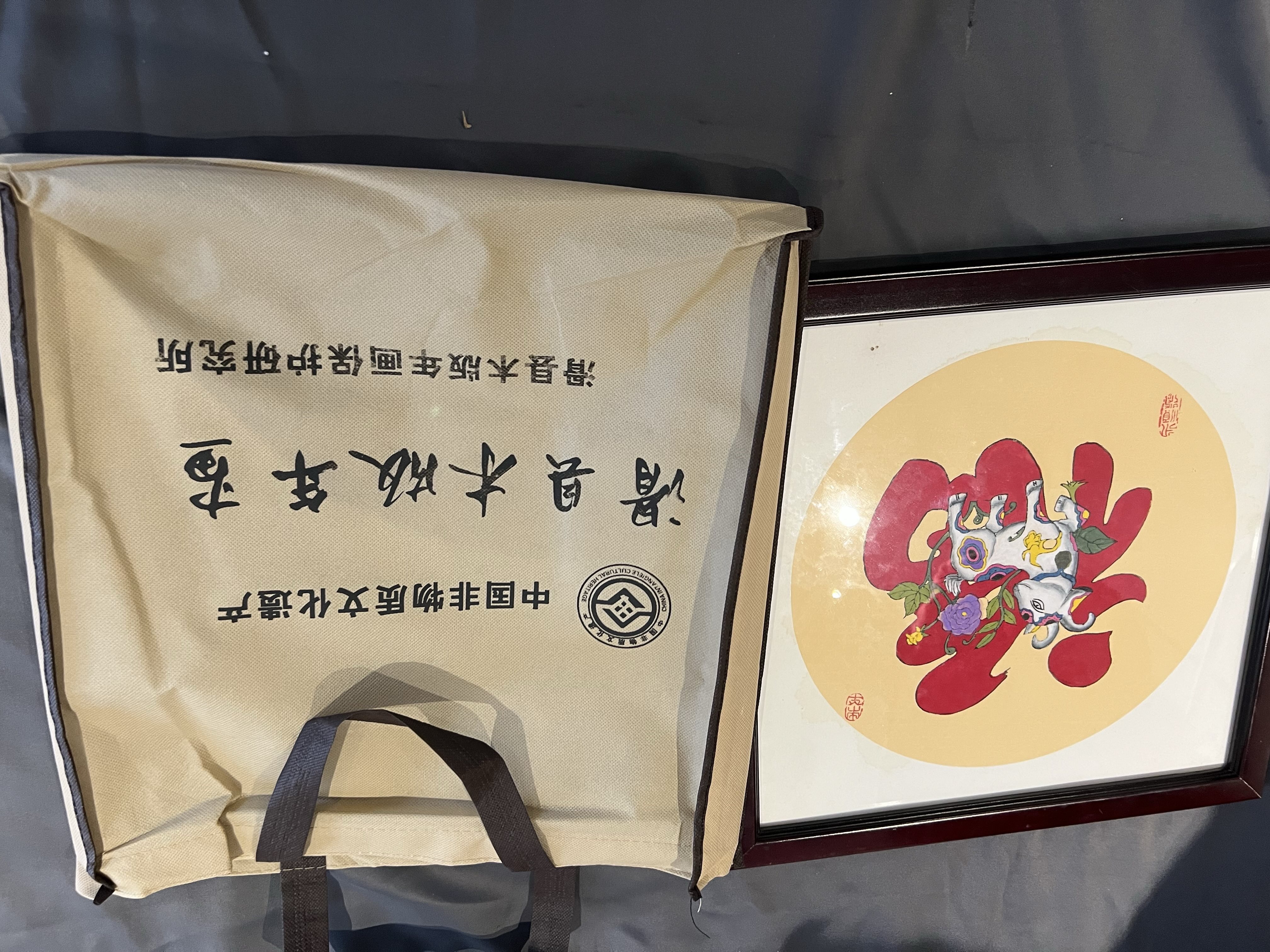
Core Symbol: The Character ‘Fu’ (Blessing) is the essence of New Year prints. Its design is bold and grand, often surrounded by auspicious patterns like bats and auspicious clouds. There is even a specific custom for its display: pasting it upright signifies “welcoming blessings,” while pasting it upside down plays on the homophone “fu dao” (福到), meaning “blessings have arrived.” This encapsulates the profound Chinese yearning for a fulfilled life where all “Five Blessings” descend upon the household.
Gallery