Northern Song Imperial Kiln
📍 Henan
Northern Song Imperial Kiln stands as one of the most legendary kilns in the history of Chinese ceramics because it was established exclusively to produce porcelain for the imperial court of the Northern Song Dynasty. Founded under the orders of Emperor Huizong in Bianjing, which is modern-day Kaifeng, it represents the highest achievement of ancient Chinese celadon art. These porcelains served not only as symbols of imperial power but also as deep reflections of the aesthetic values of Song Dynasty literati who pursued an artistic realm of transcendental tranquillity. Due to its brief period of production and the destruction caused by war, authentic surviving pieces of Northern Song Imperial porcelain are extremely rare, and every single item is considered a priceless treasure.
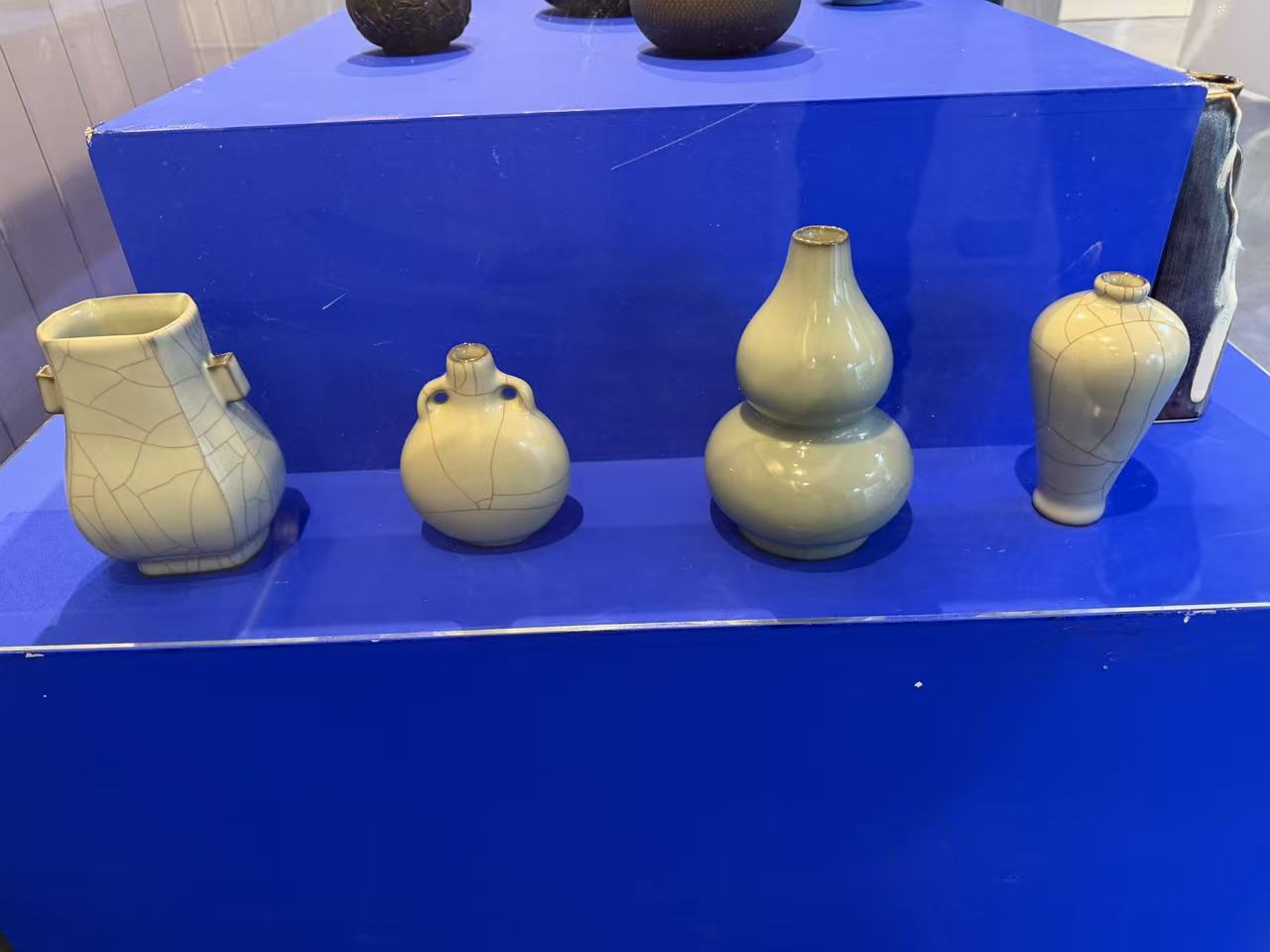
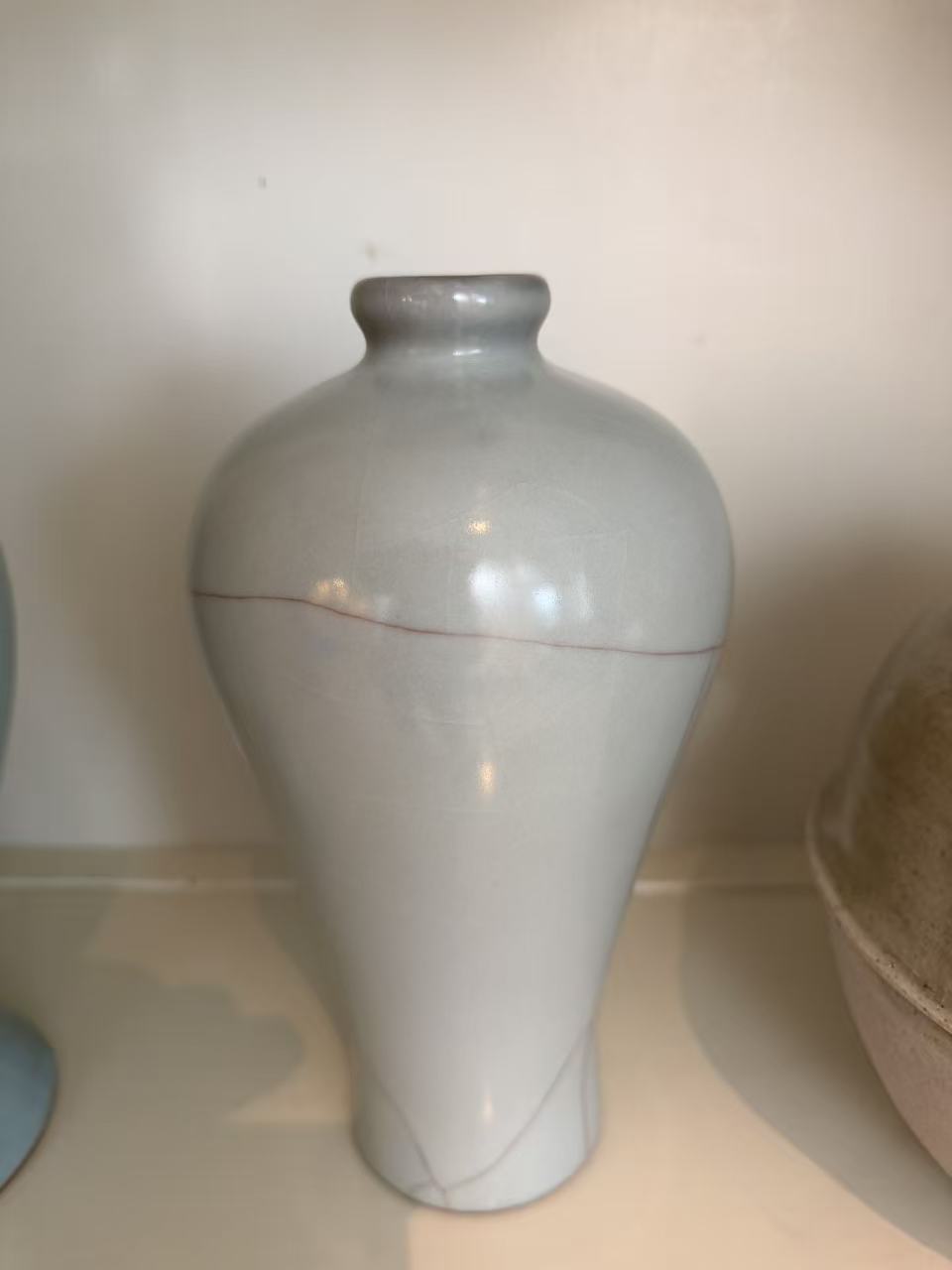
The most prominent features of Northern Song Imperial porcelain include the purple mouth and iron foot, along with ice crackle patterns. Because the clay contains a high iron content, the unglazed base appears iron black after firing, while the thin glaze at the rim reveals a purple brown hue to create a unique and elegant charm. Its colours consist mainly of powder blue or moon white, and the texture is as translucent and lustrous as fine jade. The natural crackle patterns on the surface were originally defects caused by different shrinkage rates between the body and glaze, but they were ingeniously transformed by Song artisans into a type of broken beauty known as gold thread and iron line or ice crackle to showcase a philosophical wisdom where great ingenuity appears simple.
The production of Northern Song Imperial porcelain was an extreme test of earth and fire, involving processes such as meticulous mineral selection and multiple glazing sessions alongside long periods of high-temperature reduction firing. To achieve a jade-like texture, craftsmen often applied glaze three or four times so that the layer became thick and rich like mutton fat. Controlling the kiln temperature required a precise balance to produce that specific celadon color which is understated yet deeply captivating. This craft depended heavily on environmental factors and manual intuition, resulting in an extremely low success rate, which fully embodied the spirit of imperial craftsmanship that ignored costs in the pursuit of perfection.
There is a touching legend regarding the Northern Song Imperial Kiln concerning the colour of the sky after rain. It is said that Emperor Huizong dreamed of a mysterious and deep shade of blue in the sky after a rainstorm, and upon waking, he ordered this colour to be the supreme standard for imperial porcelain. To find this specific hue, craftsmen added powdered agate into the glaze and eventually fired a spiritual azure colour that sits between blue and green. This ultimate pursuit of an ideal colour allowed Northern Song Imperial porcelain to transcend the scope of practical vessels and become the embodiment of poetic Oriental aesthetics.
Masterpieces such as the bowstring pattern vase and the brush washer are renowned for their concise forms and warm glaze surfaces to showcase the peak of Song Dynasty minimalism. Although these vessels lack any complex carving or colourful painting, they provide a spiritual impact through their pure colours and sense of harmonious proportion.
Northern Song Imperial Kiln is not only a treasure of Chinese ceramic art but also a symbol of the highly developed civilisation of the Song Dynasty. It transformed cold porcelain clay into warm jade with life to record an era searching for spiritual heights and aesthetic taste. It teaches us that true brilliance does not lie in complex accumulation but in ultimate purity and restraint. Even after a thousand years, that azure colour from after the rain can still transcend time and space to touch every soul that longs for beauty.
Plum Vase
Known as the king of shapes, the plum vase of the Northern Song Imperial Kiln is a royal gift of the Song Dynasty, with a small mouth, short neck, and broad shoulders tapering to a narrow base, with elegant lines. Because of its shape, it is considered to have qualities of tenacity and symbolizes noble demeanor and firm integrity. Suitable for inserting plum branches, it symbolizes good luck and a bright future.
Double-eared Vase
A royal gift of the Song Dynasty, with double ears running vertically along its body, symbolizing the ancient admonition to rulers to be open-minded and receptive to advice. The glaze flows naturally and symbolises warding off evil spirits and long-lasting blessings throughout one’s life.
Gourd-shaped Vase
A royal gift of the Song Dynasty and a famous ritual vessel. The shape is modeled after a gourd and is also called a blessing and prosperity vase. The glaze flows naturally and symbolises warding off evil spirits and blessings throughout one’s life.
Moon-embracing Vase
One of the five famous kilns of the Song Dynasty, specializing in firing royal ritual vessels. The moon-embracing vase is not only an artwork but also carries profound cultural traditions and people’s expectations and blessings. It also symbolizes auspiciousness, wealth, and prosperity and helps to avoid misfortune, symbolizing a noble status. It symbolises warding off evil spirits.
Gallery