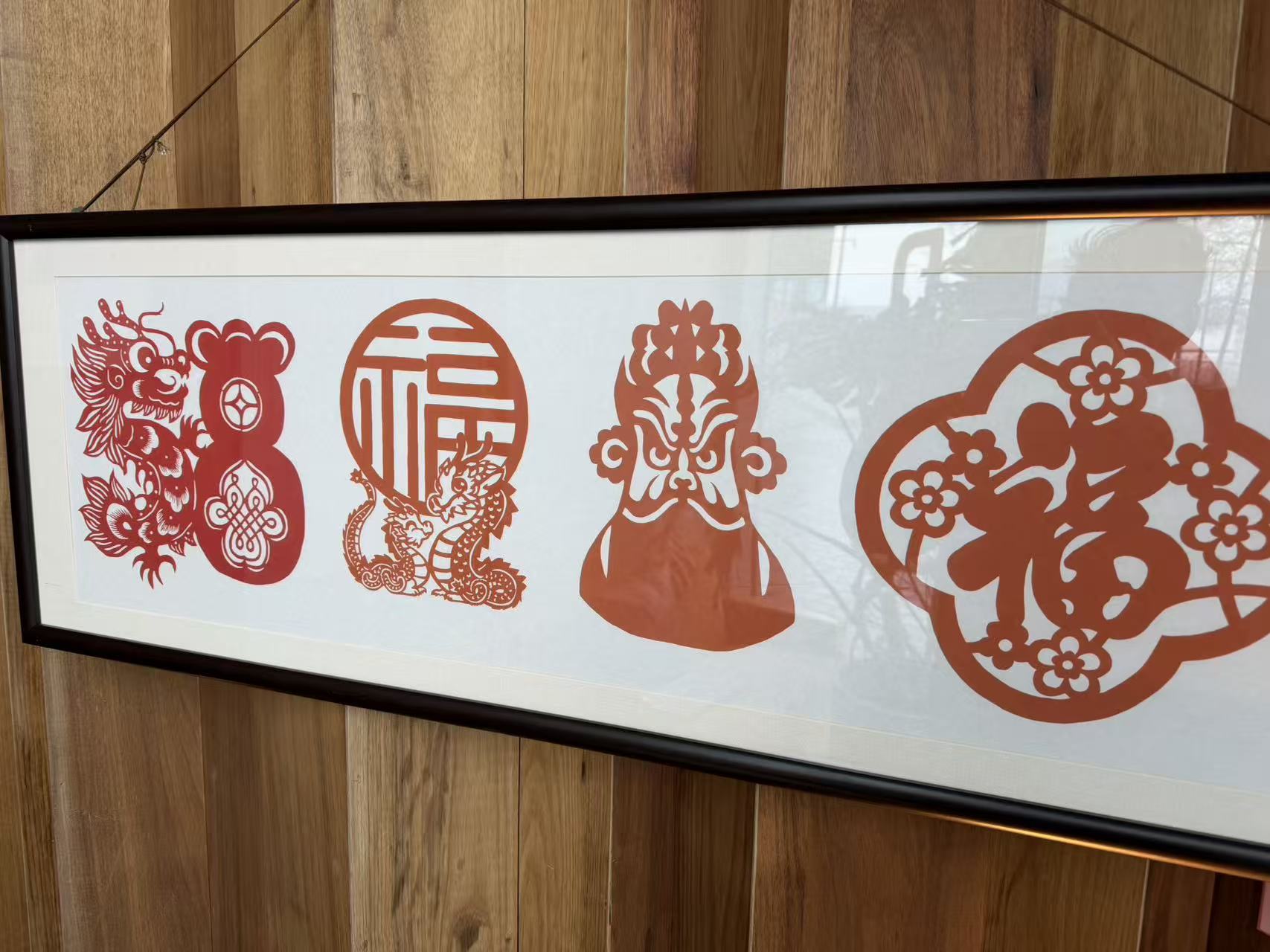
Paper Cutting
📍 Henan
Paper cutting is a folk art form where patterns are cut or carved into paper using scissors or knives, often used to decorate daily life or complement other cultural activities. In China, paper cutting enjoys a wide popular base and is integrated into the social life of various ethnic groups, serving as an important component of various folk activities. Its inherited visual imagery and stylistic formats contain rich cultural and historical information, expressing the social cognition, moral concepts, practical experiences, life ideals, and aesthetic tastes of the general public. It possesses multiple social values such as cognition, education, expression, lyrical representation, entertainment, and communication.
Jia Yanmei, a Craft Master of Henan Province, and a member of the Henan Provincial Folk Artists Association.
Window Flowers
Window flowers are one of the most widely distributed, numerous, and popular varieties of traditional Chinese paper-cutting. During the Spring Festival, people traditionally paste window flowers to decorate their surroundings and create a festive atmosphere, symbolizing bidding farewell to the old year and welcoming the new while inviting good luck and fortune.
Drama Masks
The culture of paper-cutting drama masks originated in China and can be traced back to the Tang Dynasty. Initially used for decorating homes and temples, this art form gradually evolved into a deeply meaningful and symbolically rich folk art, spreading across various regions over time. Through patterns and colors, paper-cut drama masks convey people’s aspirations for a better life, happiness, and auspiciousness. They also hold profound historical and cultural value as precious heritage of traditional Chinese culture.
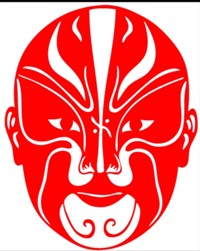
Drama Masks
Drama Headdresses
Designed with elements from traditional dramas, such as plotlines, character personalities, and costumes, paper-cut drama headdresses showcase unique artistic styles through exquisite patterns and delicate decorations. These headdresses are worn on the heads or faces of actors, enhancing their performances and helping the audience better understand the characters and storylines. They are particularly prominent in various regional folk operas in China, such as Peking Opera, Sichuan Opera, and Qin Opera, serving as highlights in performances.
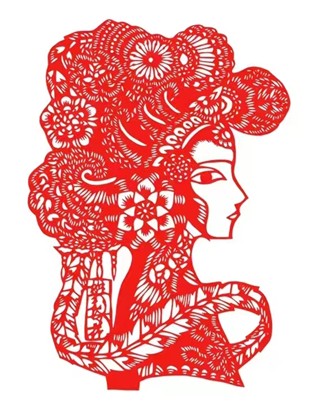
Drama Headdresses
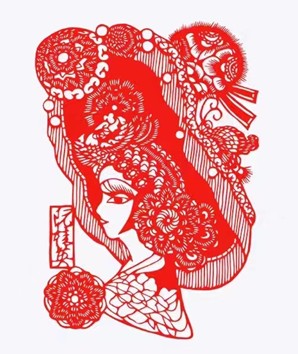
Drama Headdresses
Classic Characters
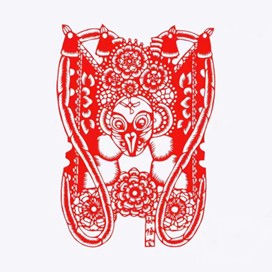
Classic characters from traditional dramas, such as the Monkey King and Li Kui, possess distinct personalities and unique charms. Through paper-cut art, these characters are vividly presented, enriching the visual effects and artistic values of dramas. For example, the Monkey King is a legendary character in Chinese mythology, known for his magical powers and unpredictable nature. In paper-cut dramas, his image is typically depicted as a nimble and clever monkey adorned with colorful paper-cut patterns, showcasing both his unique personality and the exquisite craftsmanship of paper-cutting art.
Classic Characters
Hundred Children’s Painting
Also known as “Hundred Children Welcoming Fortune” or “Hundred Children Playing in Spring,” this artwork reflects the Chinese belief in auspiciousness and prosperity. The number “hundred” symbolizes abundance and infinite blessings, representing a prosperous family with many descendants and auspicious signs. The imagery often uses homophones and puns to convey wishes for abundance, longevity, numerous offspring, and continued prosperity across generations.
Agricultural Folk Culture
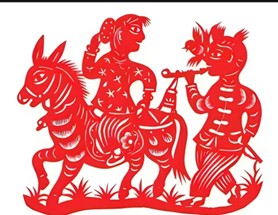
These four pieces depict various aspects of agricultural folk culture in Henan Province, reflecting the lifestyle and values of rural communities.
Agricultural Folk Culture
Along the River During the Qingming Festival
This artwork is a highly valued historical and artistic piece, showcasing the prosperous scenes of Bianliang, the capital of the Northern Song Dynasty. It depicts the lives of people from all walks of life during that period, bearing witness to the city’s prosperity at the time. Through paper-cutting, we have recreated this masterpiece, embodying a modern spirit of innovation and integration of various artistic forms, captivating viewers with its charm and beauty.