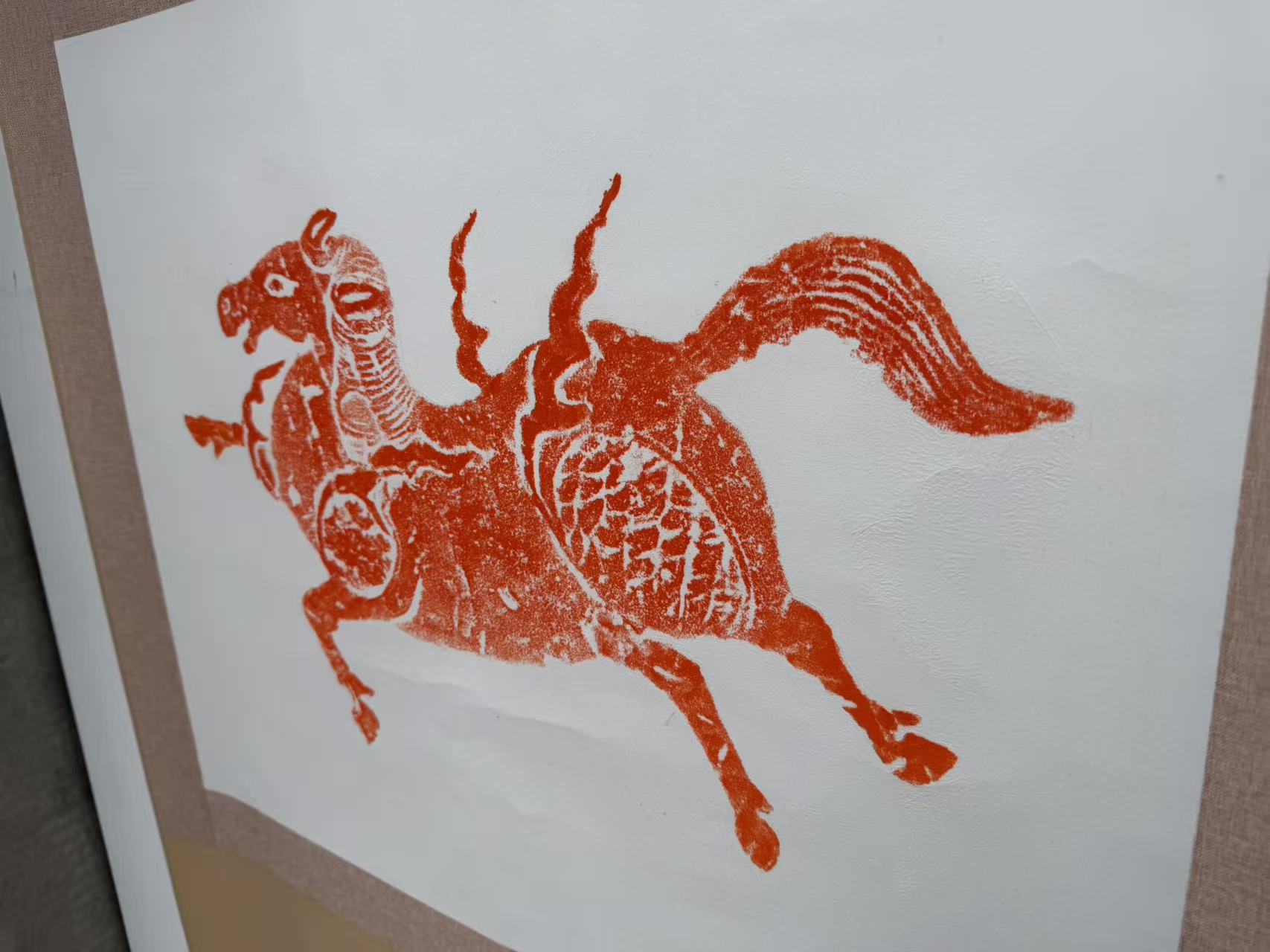
Songshan Rubbing
📍 Dengfeng, Henan
Songshan Rubbing is an exquisite traditional craft that focuses on accurately transferring characters and patterns from stone inscriptions or statues and historical monuments onto paper through the harmonious coordination of paper and ink. As a vital component of the historic monuments of Mount Song, which is a UNESCO World Heritage site known as the Centre of Heaven and Earth, the region boasts a massive collection of Han Dynasty stone gate towers and Tang or Song Dynasty steles, along with exquisite brick carving art. Rubbing serves as more than a simple duplication method because it functions as a unique artistic recreation that allows cultural relics hidden deep in mountains and temples to travel beyond their original locations in paper form to become masterpieces for scholarly research and public appreciation.
The artistic hallmark of Songshan Rubbing lies in its charm of five shades of ink, where subtle control over the density or moisture of the ink allows the rubbing to capture the original spirit and metallic texture of the stone inscriptions. A superior Songshan rubbing requires not only clear characters and complete patterns but also the ability to reflect the mottled traces left by centuries of time. Craftsmen use skilful techniques during the rubbing process to create ink gradients that give the originally flat paper a three-dimensional sense of relief and weight. This art of interwoven black and white preserves the brushwork of calligraphers while integrating the natural beauty of stone eroded by wind and frost to showcase a sophisticated aesthetic of vigour and antiquity.
Creating a high-quality Songshan rubbing involves a series of rigorous steps, including cleaning the stone and applying paper, followed by hammering and inking before the final removal of the paper. Applying the paper and hammering are the most demanding stages because the artist must moisten specialised Xuan paper and attach it evenly to the stone surface while using palm brushes to tap it carefully so the paper sinks completely into the carvings. Immediately after this, when the paper is neither too wet nor too dry, the artist holds ink pads to dab the surface with precise force to ensure the ink does not bleed into the grooves and the colour remains consistent until the characters or patterns emerge clearly on the white paper. Every single rubbing is saturated with the painstaking effort of the artist and represents a high level of integration of physical labour and patience.
There is a story regarding the protection of monuments in the history of Songshan Rubbing, where it is said that in ancient times, successors invented softer rubbing methods and established strict schedules to protect precious Northern Wei Dynasty inscriptions from wear caused by excessive rubbing. One elderly artisan attempting to create a rare rubbing during a harsh winter used his own body heat to warm the ink to prevent it from freezing while holding his breath to monitor the moisture changes of the paper so as not to damage the stone surface. It is this profound reverence for cultural relics that has allowed numerous rare stone inscriptions of Mount Song to leave their most perfect silhouettes on paper.
Masterpieces such as the rubbings of the Three Gate Towers of the Han Dynasty and the brick carving rubbings of the Songyue Temple Pagoda vividly reproduce the magnificent landscape of early Chinese architectural art and calligraphic evolution. These rubbings are frequently preserved in museums as vital historical documents that serve as a bridge connecting the past and the present.
Songshan Rubbing is not just a preservation of stone art but a gentle care for historical civilisation because it transforms cold and hard stone into flexible and warm paper to allow the codes of civilisation to transcend time and space. Within every fragrant ink rubbing, we can hear the breath of history and feel the endless vitality of Chinese culture. It reminds us that the memories engraved in stone will never vanish through the ages as long as there are people dedicated to guarding them.
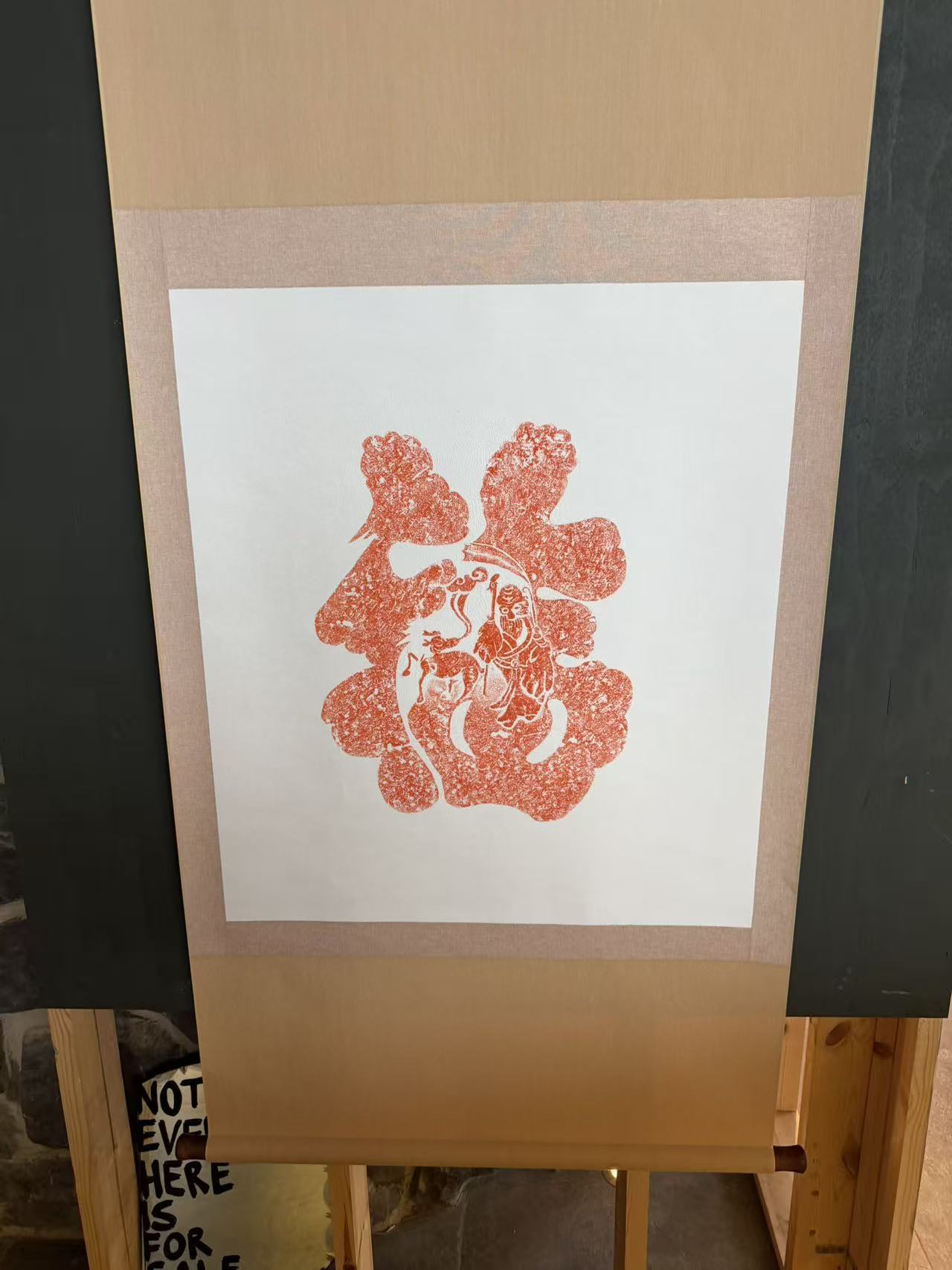
Fortune, Prosperity, Longevity
Ming Dynasty, the original stone is currently housed in the Zhengzhou Han Stone Carving Museum. Folklore includes the “Fortune Star,” “Prosperity Star,” and “Longevity Star,” representing aspirations for a happy life and the pursuit of social value. In abstract terms, it represents the people’s pursuit of happiness.
Fortune, Prosperity, Longevity
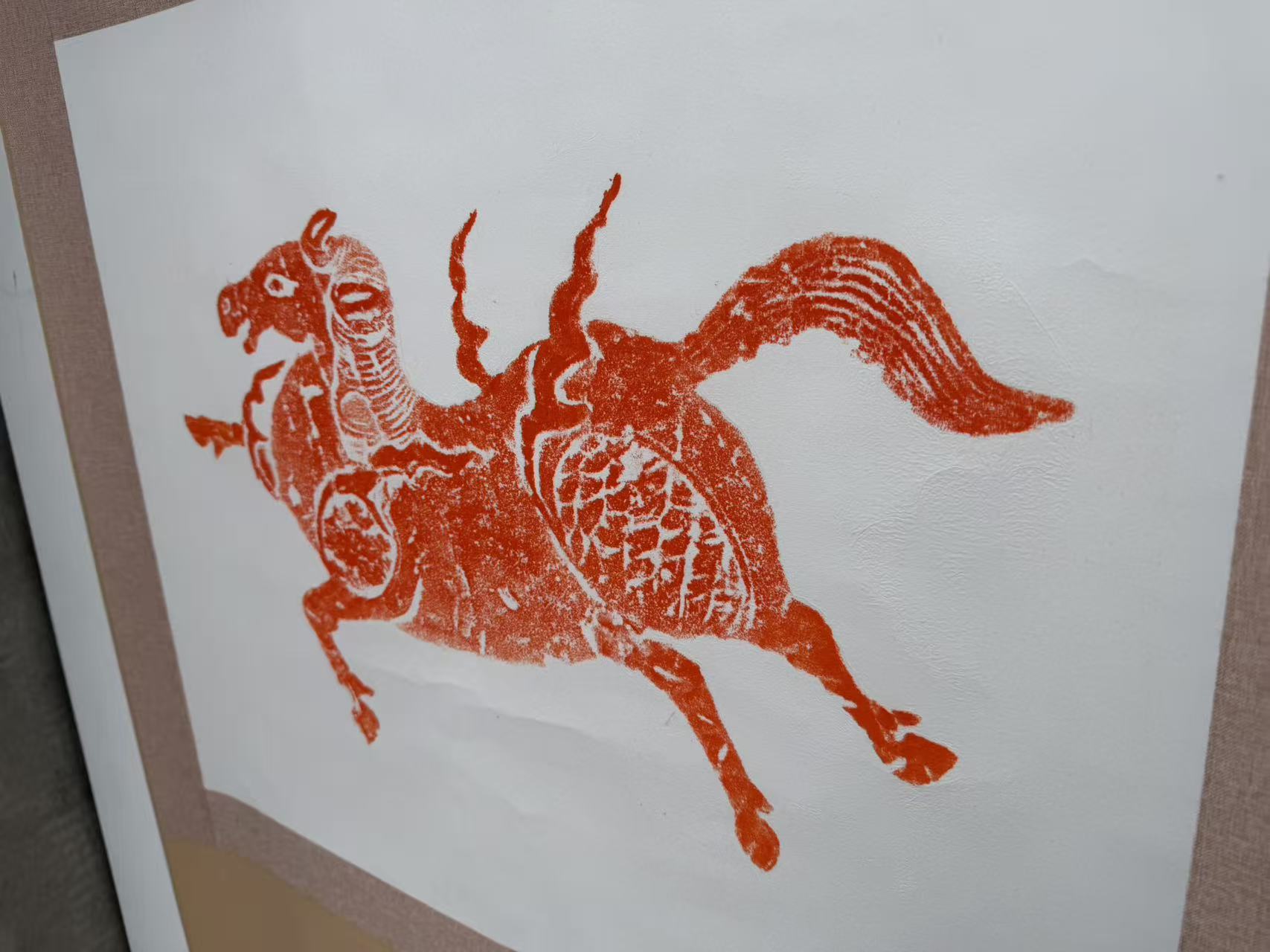
Dragon and Horse Soaring in the Sky
Yuan Dynasty, the original stone is currently housed in the Zhengzhou Han Stone Carving Museum. The “dragon horse” is a mythical creature in ancient Chinese mythology, representing both dragon and horse forms, and is considered a symbol of auspiciousness and spiritual strength. It comes from Li Bai’s “White Horse Ode”: “The dragon horse with snow-white hair, a golden saddle for the heroes.”
Dragon and Horse Soaring in the Sky
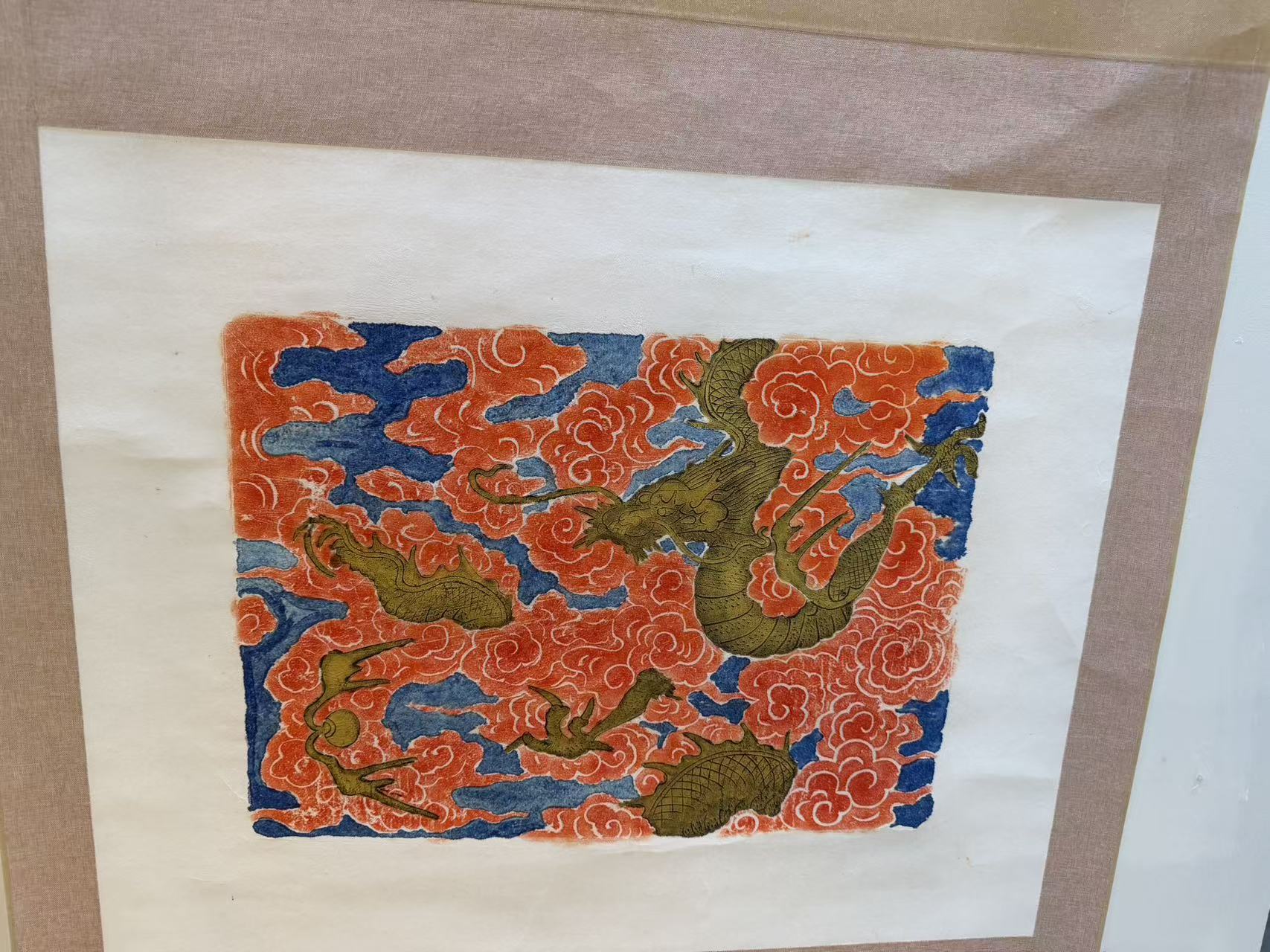
Dragon Amidst the Clouds
Ming Dynasty, the original stone is a shallow relief stone carving rubbing. The dragon symbolizes power, nobility, and honor, as well as luck and success. “Clouds” represent auspiciousness and good fortune, conveying the wishes for promotion and good luck.
Dragon Amidst the Clouds
Bringing Auspiciousness with a Kylin
Ming Dynasty, the original stone is housed in the Zhengzhou Han Stone Carving Museum. This stone carving, from a wealthy household’s courtyard architecture, depicts vivid and majestic scenes, exuding a royal aura. The kylin symbolizes peace, prosperity, and auspiciousness, representing benevolence, talent, and good fortune. It is a mythical creature imagined by ancient Chinese people, with a lion’s head, deer’s body, tiger’s eyes, deer’s antlers, and dragon scales.
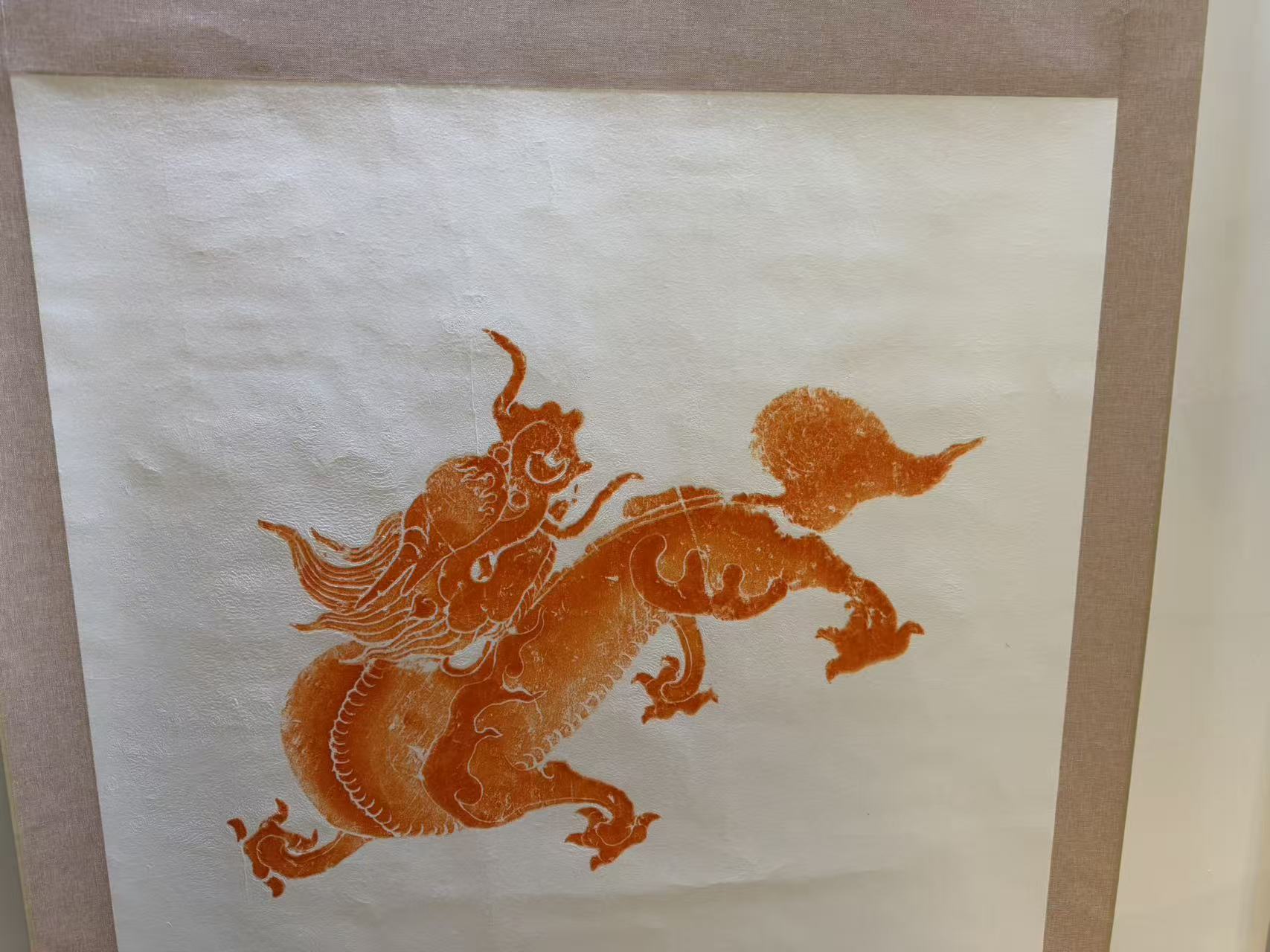
Bringing Auspiciousness with a Kylin